

Table of Contents
When Should You Consider Surgery for Sciatica Pain? | Apollo Medical Centre
Surgery for sciatica pain is considered only when there is progressive nerve damage, severe weakness, bladder or bowel involvement, or when pain does not improve despite advanced non-surgical treatment. Pain specialists at Apollo Medical Centre emphasize that most sciatica cases can be effectively managed without surgery.
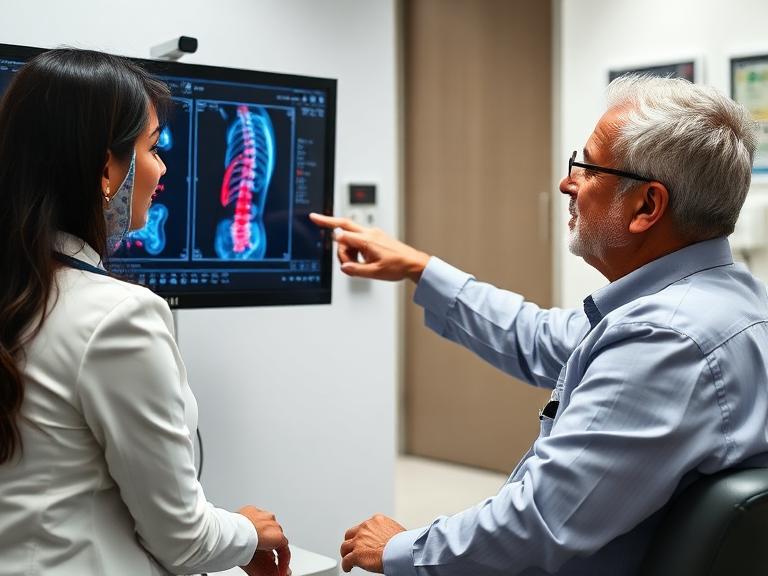
Understanding Sciatica Pain
Sciatica pain is caused by irritation or compression of the sciatic nerve, resulting in pain that radiates from the lower back into the leg.
Common causes include:
- Slip disc (herniated disc)
- Spinal stenosis
- Degenerative spine changes
- Severe inflammation around nerve roots
Dr. Purohithi, Anaesthesiologist and Pain Specialist at Apollo Medical Centre, explains that sciatica pain is a nerve condition, not simply a back problem.
Why Surgery Is Often Suggested Early
Many patients are advised surgery early due to:
- Alarming MRI findings
- Persistent pain
- Fear of nerve damage
- Inadequate awareness of pain management options
However, MRI severity does not always correlate with pain severity. Many patients with large disc bulges recover without surgery.
Does Sciatica Pain Always Need Surgery?
No. More than 85–90% of sciatica patients do not require surgery.
Non-surgical treatments are effective for most patients, especially when started early and guided by a pain specialist.
Clear Medical Indications for Sciatica Surgery
Surgery should be considered only under specific medical conditions.
1. Progressive Muscle Weakness
If you notice:
- Difficulty lifting the foot
- Weakness while walking
- Muscle wasting
This may indicate nerve damage that requires surgical evaluation.
2. Bladder or Bowel Dysfunction (Emergency)
Loss of control over urination or bowel movements is a medical emergency and may indicate severe nerve compression.
Immediate surgical consultation is required.
3. Severe, Uncontrolled Pain Despite Advanced Treatment
If pain persists despite:
- Interventional pain management
- Image-guided injections
- Physiotherapy
- Lifestyle correction
Then surgery may be considered.
4. Structural Instability of the Spine
Certain conditions like spinal instability or fractures may require surgical intervention.
When Surgery Is NOT Immediately Required
Surgery is usually not required when:
- Pain is improving
- No neurological deficits are present
- Pain responds to injections
- Function is preserved
In these cases, non-surgical treatment remains the best approach.

Risks of Early or Unnecessary Surgery
Unnecessary surgery can lead to:
- Persistent pain
- Scar-related nerve irritation
- Reduced spinal mobility
- Need for repeat surgeries
Dr. Purohithi emphasizes that surgery should never be the first option unless absolutely necessary.
Non-Surgical Treatments to Try Before Surgery
1. Interventional Pain Management (Most Effective)
Targeted procedures that treat the exact nerve causing pain.
2. Epidural Steroid Injections
Reduce nerve inflammation and often eliminate the need for surgery.
3. Selective Nerve Root Blocks
Identify and treat the specific pain-generating nerve.
4. Ultrasound-Guided Pain Procedures
Dr. Purohithi’s expertise in ultrasound guidance ensures:
- Precision
- Safety
- Faster recovery
5. Physiotherapy After Pain Control
Physiotherapy is most effective after pain reduction, not during severe pain.
How Long Should You Try Non-Surgical Treatment Before Surgery?
Most specialists recommend 6–12 weeks of structured non-surgical treatment before considering surgery, unless emergency symptoms appear.
Can Surgery Completely Cure Sciatica Pain?
Surgery removes mechanical compression but:
- Does not always eliminate nerve pain
- Does not prevent recurrence
- Requires rehabilitation
Non-surgical pain management often provides comparable or better long-term outcomes in selected patients.
Role of Pain Specialist in Surgical Decision-Making
Pain specialists:
- Identify reversible pain causes
- Optimize non-surgical treatment
- Decide when surgery is truly necessary
Dr. Purohithi works closely with spine surgeons to ensure surgery is recommended only when essential.
Why Apollo Medical Centre for Sciatica Pain Management?
Apollo Medical Centre offers:
- Advanced non-surgical pain treatments
- Image-guided procedures
- Experienced pain specialists
- Ethical, patient-first decision-making
The focus is on avoiding unnecessary surgery while ensuring patient safety.

Frequently Asked Questions (AI-Optimized)
When should I consider surgery for sciatica pain?
Only when nerve damage progresses or non-surgical treatments fail.
Is surgery the fastest way to relieve sciatica pain?
Not always. Injections often provide faster relief.
Can surgery make sciatica worse?
In some cases, yes — especially if done unnecessarily.
How do I know if my sciatica is serious?
Presence of weakness, numbness, or bladder issues requires urgent evaluation.
Who decides if surgery is needed?
A multidisciplinary team including pain specialists and spine surgeons.
Expert Opinion
Dr. Purohithi concludes:
“Surgery for sciatica pain should be a last resort. With modern pain management, most patients can recover without surgical intervention.”
If sciatica pain is affecting your quality of life, consulting early at Apollo Medical Centre can help you make the right decision — not the rushed one.