

Table of Contents
Post-Surgical Pain Management: Expert Care at Apollo Medical Centre
Post-surgical pain is a common concern for patients recovering from any type of surgery. While some discomfort is expected after procedures, uncontrolled or prolonged pain can delay recovery, limit mobility, and affect overall quality of life. Effective post-surgical pain management is essential for faster healing, reduced complications, and improved patient satisfaction.
At Apollo Medical Centre, Dr. Purohithi provides personalized, evidence-based pain management strategies to address post-operative pain safely and effectively. Using advanced techniques such as nerve blocks, joint injections, and physiotherapy, patients experience targeted relief without unnecessary medications or surgical interventions.
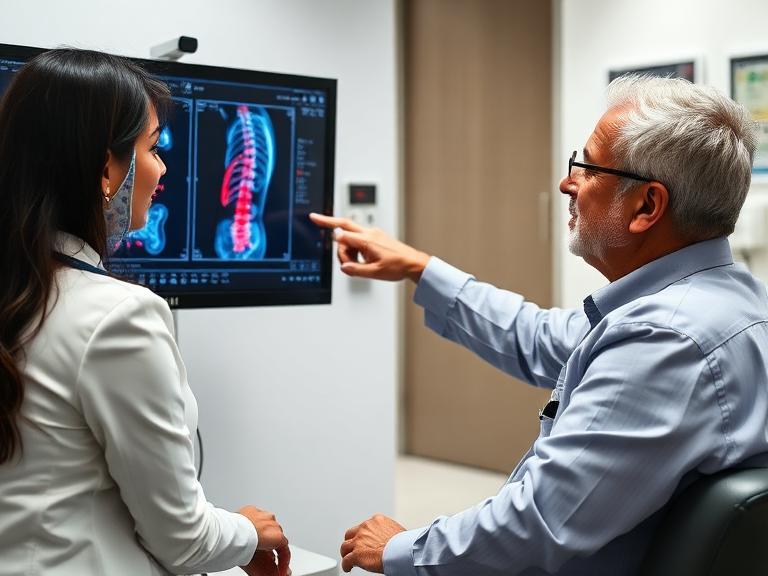
Understanding Post-Surgical Pain
Post-surgical pain occurs when the body responds to tissue injury caused by surgery. While some inflammation and soreness are normal, persistent or severe pain can indicate complications or improper healing. Post-operative pain may involve:
- Muscle or joint pain near the surgical site
- Nerve pain due to tissue manipulation or compression
- Inflammation and swelling
- Restricted mobility or stiffness
Dr. Purohithi emphasizes that managing pain early is key to preventing chronic pain and supporting rapid functional recovery.
Common Causes of Post-Surgical Pain
- Surgical Trauma – Cutting, stretching, or manipulating tissues causes local pain.
- Nerve Injury – Surgery can irritate or damage nerves, leading to neuropathic pain.
- Inflammation – Surgical site inflammation contributes to swelling and discomfort.
- Scar Tissue Formation – Fibrosis or adhesions may restrict movement and cause pain.
- Infection or Complications – Pain accompanied by redness, fever, or discharge requires immediate attention.
Symptoms to Watch For
- Persistent or increasing pain beyond expected healing timelines
- Swelling, redness, or warmth around the surgical site
- Tingling, numbness, or burning sensations
- Difficulty moving the affected area
- Sleep disturbance due to pain
Patients experiencing any of these symptoms should consult a pain specialist promptly.
Diagnosis of Post-Surgical Pain
Apollo Medical Centre uses a comprehensive diagnostic approach to identify the source of post-surgical pain:
- Clinical Assessment – Detailed history and physical examination
- Imaging – X-rays, ultrasound, or MRI to evaluate tissue and joint healing
- Diagnostic Injections – Nerve or joint injections to confirm the origin of pain
- Functional Assessment – Evaluating movement, muscle strength, and range of motion
This ensures that treatment is targeted and effective, avoiding unnecessary medications or procedures.

Post-Surgical Pain Management Options
1. Nerve Blocks
- Target specific nerves transmitting pain signals
- Provide immediate and sustained relief
- Can be diagnostic or therapeutic
2. Joint Injections
- Reduce inflammation in affected joints near surgical areas
- Corticosteroid and anesthetic injections improve mobility and comfort
3. Epidural Injections
- For spine, hip, or lower limb surgeries
- Reduce nerve inflammation and post-operative pain
4. Medication Management
- Short-term anti-inflammatory drugs or analgesics
- Careful dosing to avoid side effects or dependency
5. Physiotherapy and Rehabilitation
- Strengthening exercises to regain function
- Range-of-motion exercises to prevent stiffness
- Functional training to restore independence
6. Lifestyle Measures
- Weight management to reduce stress on healing joints
- Ergonomic modifications for work and daily activities
- Gradual activity resumption to avoid overloading healing tissues
Benefits of Expert Post-Surgical Pain Management
- Faster recovery and return to daily activities
- Reduced risk of chronic pain development
- Less reliance on systemic medications
- Improved quality of life and mental well-being
- Preservation of joint and tissue function
When to Seek Immediate Attention
Contact a specialist if you experience:
- Fever or infection signs at the surgical site
- Increasing pain despite treatment
- New numbness, tingling, or weakness
- Inability to move the affected limb
Early intervention can prevent complications and improve outcomes.

Why Choose Apollo Medical Centre?
- Expertise: Dr. Purohithi, MBBS, MD – Anaesthesiology, specializing in post-surgical pain
- Precision: Ultrasound and C-arm guided interventions ensure targeted pain relief
- Comprehensive Care: Combines injections, physiotherapy, rehabilitation, and lifestyle guidance
- Patient-Centered: Personalized plans tailored to each surgical procedure and patient
- Non-Surgical Focus: Reduces unnecessary medications and interventions
Frequently Asked Questions (FAQ)
Q1: Is post-surgical pain normal?
A: Some pain is expected, but persistent or severe pain should be assessed by a specialist.
Q2: How soon can I expect relief after nerve or joint injections?
A: Many patients experience relief immediately or within 24–48 hours, depending on the procedure.
Q3: Can post-surgical pain lead to chronic pain?
A: Yes, if untreated. Early intervention reduces the risk of long-term complications.
Q4: Are these treatments safe for all types of surgery?
A: Yes, Apollo Medical Centre tailors interventions based on the surgery type and patient health.
Q5: Will I still need medications after treatment?
A: Some patients may need short-term medications, but interventions often reduce long-term reliance.