

Table of Contents
Pain Management Specialist in Hyderabad | Advanced Non-Surgical Relief
Living with constant physical discomfort drains your energy, limits your independence, and takes away the joy of everyday activities. When lower back pain makes sitting at your office desk unbearable, neck stiffness turns driving into a struggle, or sharp knee aching ruins your morning walk, your entire daily routine suffers. At first, most people try rest, warm compresses, balms, or over-the-counter painkillers. When those simple steps stop working, consulting a dedicated pain management specialist is the smartest next step.
Across Hyderabad—from corporate employees working long hours in HITEC City, Gachibowli, and Kondapur to active adults and seniors in Banjara Hills, Jubilee Hills, Secunderabad, and Kukatpally—pain management specialists are helping thousands of people find lasting relief without major surgery. This easy-to-understand guide explains who a pain management specialist is, what conditions they treat, modern non-surgical procedures, expected costs, and how to select the right specialist for your recovery.

1. Who Is a Pain Management Specialist?
A pain management specialist (often called an interventional pain physician) is a medical doctor who has completed specialized fellowship training specifically in diagnosing, managing, and treating all types of acute and chronic pain.
While family doctors look after your general health and surgeons focus on open operations, a pain management specialist bridges the gap between daily pain pills and surgery. Their main goal is to find the exact physical root cause of your pain and treat it directly using gentle, non-surgical techniques.
The Core Approach of a Pain Specialist
- Root-Cause Diagnosis: Instead of masking pain across your entire body with pills, a pain specialist examines your posture, tests your nerve reflexes, and studies your MRI or X-ray scans to pinpoint the exact compressed nerve, worn joint, or strained tendon causing trouble.
- Live Image Guidance: Pain specialists never guess where to place an injection. They use real-time digital imaging—such as C-arm live X-rays (fluoroscopy) or high-resolution ultrasound—to guide thin needles directly to the problem spot with millimeter accuracy.
- Minimally Invasive Care: Procedures happen through tiny needle pinpricks under local numbing medicine. There are no surgical cuts, stitches, or long hospital stays.
- Protecting Internal Organs: Taking painkillers every day can harm your stomach lining and strain your kidneys or liver over time. Targeted pain procedures calm discomfort right at the source so you can stop relying on daily oral medicines.
2. Clear Signs It Is Time to See a Pain Specialist
Many people endure joint, back, or nerve pain for months, hoping it will disappear on its own. Recognizing early warning signs helps you get specialized care before a manageable issue turns into a stubborn, long-term problem.
When You Should Book a Specialist Visit
- Pain Lasting Over 3 to 4 Weeks: Your back, neck, shoulder, hip, or knee pain continues despite rest, stretching, and basic pain relievers.
- Shooting, Burning, or Tingling Nerve Pain: You feel sharp electric-shock pain, burning sensations, pins-and-needles, or numbness running down your leg (sciatica) or down your arm.
- Pain That Ruins Your Sleep: Deep aching in your shoulder, lower back, or hip wakes you up whenever you roll over at night.
- Limited Daily Mobility: Pain makes it difficult to stand up from a chair, walk short distances, climb stairs, or lift everyday objects.
- Wanting to Avoid Major Surgery: You have been advised to consider spine surgery or joint replacement, and you want to explore safe, non-surgical alternatives first.
- Persistent Pain After Past Surgery: You still experience discomfort even after having back or joint surgery in the past.
3. Common Conditions Treated by Pain Management Specialists
Modern pain clinics in Hyderabad treat a broad range of spine, joint, muscle, and nerve conditions.
Spine and Back Disorders
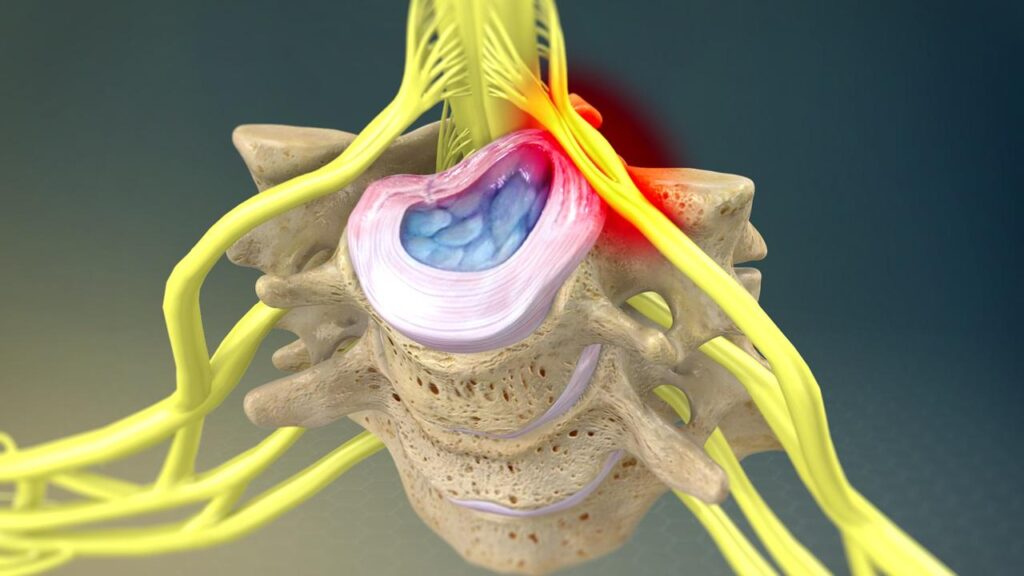
- Slipped Disc and Sciatica: Bulging spinal discs in the lower back that press on nerve roots, sending sharp pain down the buttocks, thigh, and calf.
- Lower Back and Neck Arthritis: Wear and tear in the small connecting joints of the spine (facet joints), causing deep stiffness and aching when bending backward or turning your head.
- Spinal Canal Narrowing (Spinal Stenosis): Tightness inside the spinal canal that pinches nerves, causing leg heaviness, cramping, and pain while walking or standing upright.
- Tailbone Pain (Coccydynia): Persistent soreness at the very base of the spine that makes sitting on chairs uncomfortable.
Joint and Tendon Conditions
- Knee Osteoarthritis: Gradual wearing down of protective knee cartilage, leading to bone friction, joint swelling, and stiffness on stairs.
- Frozen Shoulder and Rotator Cuff Strain: Severe tightening of the shoulder joint capsule or tendon inflammation that limits arm lifting and causes night pain.
- Hip Pain and Trochanteric Bursitis: Deep groin aching or outer hip soreness that hurts while walking or sleeping on your side.
- Heel Pain (Plantar Fasciitis) and Tennis Elbow: Stubborn tendon inflammation under the heel during morning steps or on the outer elbow when gripping objects.
Nerve and Headache Conditions
- Trigeminal Neuralgia: A painful facial nerve condition causing sudden, intense, electric-shock-like pain on one side of the face triggered by talking, eating, or touching your cheek.
- Diabetic Peripheral Neuropathy: Burning pain, tingling, or numbness in the feet and toes caused by long-term high blood sugar nerve damage.
- Severe Migraines and Neck Headaches: Throbbing headaches starting at the base of the skull and radiating up to the forehead.
4. Popular Non-Surgical Treatments Offered by Specialists
Once your pain management specialist confirms what is causing your discomfort, they design a tailored treatment plan using modern, non-surgical procedures.
Fluoroscopy-Guided Epidural Steroid Injections
Using live X-ray guidance, the specialist delivers soothing anti-inflammatory medicine directly around swollen spinal nerves. This calms nerve irritation quickly, easing sharp sciatica and slipped disc pain within a few days so you can move comfortably again.
Radiofrequency Ablation (RFA)
For chronic lower back arthritis, neck stiffness, or severe knee wear, RFA uses gentle, controlled radiofrequency heat passed through a thin needle to temporarily deactivate tiny pain-sensing nerves. It leaves muscle strength completely normal while blocking pain signals to the brain for 6 to 18 months.
Regenerative Platelet-Rich Plasma (PRP) Therapy
PRP uses your own body’s natural healing power. A small sample of your blood is spun in a machine to gather concentrated platelets rich in growth factors. Under live ultrasound guidance, this healing fluid is placed directly into worn knee cartilage, strained shoulder tendons, or sore elbows to calm inflammation and support tissue repair.
Joint Lubricating Gel (Viscosupplementation)
Injecting medical-grade hyaluronic acid into a stiff knee or hip joint replaces thin, worn-out joint fluid with a smooth cushion. This reduces friction and eases joint movement for 6 to 12 months.
Hydrodilatation for Frozen Shoulder
A gentle, image-guided procedure that uses sterile fluid to expand a tight, stiff shoulder capsule from the inside, quickly freeing up arm movement and easing night pain.
5. How to Choose the Best Pain Management Specialist in Hyderabad
Selecting the right doctor ensures you receive safe, ethical, and effective care. Keep these practical checks in mind when choosing a specialist:
- Verify Specialized Fellowship Training: Look for a doctor who holds dedicated post-graduate training in pain medicine—such as a Fellowship in Interventional Pain Management (FIPM) or Indian Diploma in Regional Anaesthesia (IDRA)—rather than treating pain merely as a minor side practice.
- Check for Live Imaging Equipment: Safe, accurate spine and joint injections require C-arm fluoroscopy (live X-ray) or high-resolution ultrasound machines. Never undergo deep spinal or joint injections without live image guidance.
- Look for Hospital or Accredited Clinic Backing: Clinics connected to reputable multispecialty hospitals or accredited day-care centers follow strict sterilization standards and emergency safety protocols.
- Clear Communication and Honest Advice: A trustworthy specialist listens carefully to your symptoms, explains your MRI scan in simple language, gives clear cost estimates upfront, and recommends surgery only when truly necessary.
- Convenient Location for Follow-Ups: Choosing a center close to your home or workplace—whether in Jubilee Hills, Banjara Hills, HITEC City, Gachibowli, Kondapur, Secunderabad, or Kukatpally—makes follow-up appointments and physical therapy sessions easy to attend.
6. What to Expect During Your First Consultation
Visiting a pain clinic is a calm, reassuring process built around your comfort:
- Detailed Symptom Review: You sit down with the specialist to discuss when your pain began, what movements make it worse, and how it affects your daily routine.
- Gentle Physical Exam: The doctor checks your joint flexibility, posture, muscle strength, and nerve reflexes.
- Reading Your Scans Together: Your doctor reviews your X-ray or MRI films and points out the exact spot causing your symptoms.
- Same-Day Day-Care Convenience: If you need a targeted procedure, most treatments take just 15 to 45 minutes under local numbing medicine. You rest at the clinic for about an hour and go home the same day.
7. Consultation and Treatment Costs in Hyderabad
Knowing expected medical expenses helps you plan your treatment with peace of mind. While final prices depend on the clinic, diagnostic tests, and specific treatment needed, typical cost ranges in Hyderabad include:
- Specialist Consultation Fee: Generally ranges from ₹600 to ₹1,500 across reputable pain clinics and hospitals.
- Physiotherapy and Guided Rehab Sessions: Typically cost between ₹600 and ₹2,000 per session depending on specialized equipment used.
- Diagnostic Nerve Blocks and Joint Injections: Usually range from ₹5,000 to ₹20,000 depending on the medication and imaging guidance required.
- Fluoroscopy-Guided Epidural Injections: Generally cost between ₹12,000 and ₹28,000 depending on single or multi-level spine care.
- Radiofrequency Ablation (RFA): Typically ranges from ₹25,000 to ₹65,000 depending on the number of nerve sites treated.
- Ultrasound-Guided PRP Therapy: Usually ranges from ₹7,000 to ₹20,000 per session.
Health Insurance and Payment Support
- Insurance Coverage: Medically necessary day-care procedures like epidural injections and radiofrequency ablation are covered by most major health insurance plans and TPAs.
- Cashless Facilities and EMIs: Leading hospitals and pain centers in Hyderabad offer direct cashless insurance processing as well as flexible monthly EMI options for multi-session treatments.
8. Simple Daily Habits to Support Long-Term Recovery
Medical treatments work best when paired with simple everyday habits that protect your spine and joints:
- Fix Your Desk Posture: Keep your computer monitor at eye level, sit back with your lower spine supported, and rest both feet flat on the floor. Stand up and stretch for 2 minutes every hour.
- Stay Active with Low-Impact Exercise: Choose joint-friendly activities like walking on flat tracks, swimming, or stationary cycling to keep muscles strong without jarring your joints.
- Wear Cushioned Footwear: Wear supportive shoes with good arch support, and avoid walking barefoot on hard marble or tile floors inside your home.
- Eat Anti-Inflammatory Foods: Include walnuts, flaxseeds, berries, leafy greens, and turmeric in your daily diet to help calm body inflammation naturally.
Frequently Asked Questions (FAQs)
1. What does a pain management specialist do?
A pain management specialist is a fellowship-trained physician who finds the exact root cause of acute or chronic pain—such as a compressed nerve, swollen joint, or strained tendon—and treats it using targeted, non-surgical day-care procedures.
2. When should I visit a pain management specialist?
You should consult a specialist if your back, neck, joint, or nerve pain lasts longer than 3 to 4 weeks, disturbs your sleep, causes tingling or numbness in your arms or legs, or prevents you from walking and working comfortably.
3. How much does a consultation with a pain management specialist cost in Hyderabad?
Specialist consultation fees in Hyderabad typically range from ₹600 to ₹1,500. Non-surgical procedures like targeted injections or nerve blocks generally cost between ₹5,000 and ₹28,000 depending on the treatment required.
4. What is the difference between an orthopedic surgeon and a pain management specialist?
An orthopedic surgeon performs open or keyhole surgeries to repair broken bones or replace damaged joints. A pain management specialist focuses on non-surgical, needle-based procedures to calm nerve and joint pain without open surgery.
5. Are interventional pain procedures painful?
No, procedures cause minimal discomfort. Doctors apply local numbing medicine to the skin before using tiny needles under live X-ray or ultrasound guidance. Most patients feel only mild pressure during treatment.
6. Can a pain management specialist help me avoid spine or knee surgery?
Yes. Targeted options like epidural steroid injections, Genicular Nerve Radiofrequency Ablation (RFA), hyaluronic acid joint gel, and PRP therapy relieve pain effectively, helping many patients delay or avoid open surgery.
7. Will a pain specialist prescribe addictive painkillers?
No. Modern pain specialists avoid long-term narcotic medications and instead focus on non-addictive, root-cause interventional treatments that let you stop taking daily pain pills.
8. How quickly can I return to work after a pain procedure?
Most interventional procedures are same-day day-care treatments. Patients rest at the clinic for about an hour, go home the same day, and typically resume desk work and light daily tasks within 24 to 48 hours.
9. What is Radiofrequency Ablation (RFA)?
RFA is a minimally invasive procedure that passes gentle, controlled radiofrequency heat through a thin needle to temporarily deactivate small sensory nerves sending pain signals from an arthritic joint to the brain, offering relief for 6 to 18 months.
10. Are non-surgical pain treatments safe for diabetic and elderly patients?
Yes, they are very safe. Because procedures use local anesthesia rather than general anesthesia and require no surgical cuts, they carry very low risk for seniors and individuals with diabetes or heart issues.
11. How does Platelet-Rich Plasma (PRP) therapy help joint and tendon pain?
PRP therapy uses healing growth factors concentrated from your own blood. Injected under ultrasound guidance into sore tendons or worn joint cartilage, it reduces internal inflammation and supports natural tissue repair.
12. Does health insurance cover treatments by a pain management specialist in Hyderabad?
Yes, medically necessary day-care procedures such as epidural steroid injections and radiofrequency ablation are covered by major health insurance policies and TPAs, with cashless options available at empaneled centers.
13. Which neighborhoods in Hyderabad have top pain management clinics?
Leading pain management specialists and clinics are located across Jubilee Hills, Banjara Hills, HITEC City, Gachibowli, Kondapur, Secunderabad, and Kukatpally.
14. Do I need a referral to book an appointment with a pain specialist?
No referral is necessary. You can schedule a direct consultation with a pain management specialist whenever persistent pain interferes with your daily life.
15. What should I bring to my first visit with a pain specialist?
Bring your previous medical records, recent MRI or X-ray films and reports, recent blood test results, and a list of any medicines you currently take.