
Table of Contents
Underarm Pigmentation Treatment Hyderabad | Dr. Showrya Gadde
Dark, patchy, or uneven skin in the underarms—medically known as Axillary Hyperpigmentation—is one of the most common cosmetic skin concerns among both women and men. Even when your face and arms have an even, healthy complexion, dark underarm patches can make many people feel self-conscious about wearing sleeveless tops, dresses, or gym wear, or raising their arms comfortably in public.
Across the bustling corporate, technology, and residential hubs of Hyderabad—including Kondapur, Madhapur, HITEC City, Gachibowli, Jubilee Hills, and Banjara Hills—consultations for underarm lightening have grown steadily. Warm weather, high summer humidity, daily commuting, frequent shaving or waxing, chemical-heavy deodorants, tight activewear friction, and metabolic shifts like insulin resistance and PCOS all contribute to dark underarms.
Many people spend months trying viral home remedies—such as rubbing raw lemon slices, scrubbing with baking soda or coffee grounds, applying potato juice, or using harsh alum stones. Unfortunately, underarm skin is naturally thin, warm, and folded, making it far more sensitive than regular skin. Harsh acids and rough scrubbing strip away the delicate skin barrier, causing micro-tears and inflammation that stimulate melanin cells to produce even more dark pigment.
Seeking specialized Underarm Pigmentation Treatment in Hyderabad provides a safe, scientifically proven dermatological solution. At Dr. Showrya Gadde Dermatology & Wellness (located in Jubilee Enclave, Kondapur, near HITEC City), axillary skin brightening is led by Dr. Showrya Gadde (MBBS, DNB – Dermatology & Venereology). By identifying the exact root cause of your underarm darkening, the clinic combines US-FDA approved Q-Switched Nd:YAG Laser toning, gentle axillary chemical peels, Laser Hair Reduction, and non-steroidal brightening creams to restore smooth, even-toned underarms safely.
1. Anatomy of Underarm Skin: Why Underarms Darken Easily
To treat dark underarms safely without irritating the skin, it helps to understand why the underarm area behaves differently from open skin on your face or arms:
- Thin Epidermal Barrier: The outer protective layer of underarm skin is noticeably thinner than on your outer arms or legs, allowing irritants and chemicals to penetrate more easily.
- Closed Skin Fold (Occlusive Environment): Because the underarm is a natural skin fold, skin rubs against skin continuously during walking, exercise, and daily movement. Sweat and heat get trapped inside the fold, keeping the skin warm and moist.
- High Density of Sweat Glands and Hair Follicles: Underarms contain dense clusters of sweat glands and coarse hair follicles. When hair is shaved or plucked repeatedly, inflammation around the hair follicles quickly triggers pigment deposition.
- Increased Topical Absorption: Because skin folds trap moisture and heat, any cream, deodorant, or chemical applied to the underarms absorbs much deeper and faster, increasing the risk of allergic reactions or steroid damage.
2. Primary Medical Causes of Underarm Pigmentation
During a clinical consultation, a dermatologist evaluates several distinct triggers behind dark underarms, as each condition requires a tailored treatment approach:
1. Post-Inflammatory Hyperpigmentation (PIH) from Shaving and Waxing
Hair removal habits are the most common everyday cause of dark underarms:
- Shaving Shadow & Razor Burn: Shaving cuts hair bluntly at the skin surface, leaving dark, coarse hair roots visible beneath thin translucent skin (creating a grayish-blue shadow). Dull razors and dry shaving also cause microscopic cuts and razor bumps that heal with dark brown spots.
- Waxing & Epilating Trauma: Hot wax and mechanical epilators yank hair forcefully from the root, triggering repeated follicular inflammation and mild thermal irritation that stimulates melanin overproduction.
2. Pigmented Contact Dermatitis (Deodorants & Roll-Ons)
Commercial spray deodorants, alcohol-based antiperspirants, and heavily fragranced roll-ons contain denatured alcohol, synthetic perfumes, essential oils, and preservatives. Daily application inside a warm skin fold causes chronic low-grade allergic irritation, turning the underarm skin dark brown or grayish over time.
3. Frictional Melanosis (Tight Clothing & Chafing)
Wearing tight-fitting synthetic blouses, gym tops, or stiff sleeves causes repeated mechanical rubbing against moist underarm skin. Over months, this constant friction thickens the outer skin layer and stimulates dark pigment buildup.
4. Acanthosis Nigricans (Insulin Resistance & PCOS)
When underarm darkness appears thick, velvety, and ridged—often accompanied by similar darkening on the back of the neck—it is frequently Acanthosis Nigricans. This condition is driven by elevated blood insulin levels linked to insulin resistance, pre-diabetes, weight gain, or Polycystic Ovary Syndrome (PCOS) in women.
5. Post-Fungal or Bacterial Irritation (Erythrasma & Candidiasis)
Warm, moist underarm folds can occasionally develop mild superficial bacterial or yeast overgrowth, leaving behind reddish-brown discoloration and subtle scaling that requires targeted medical treatment before brightening begins.
3. Diagnostic Evaluation: Why Accurate Diagnosis Matters
Treating dark underarms effectively starts with knowing what is happening beneath the skin surface:
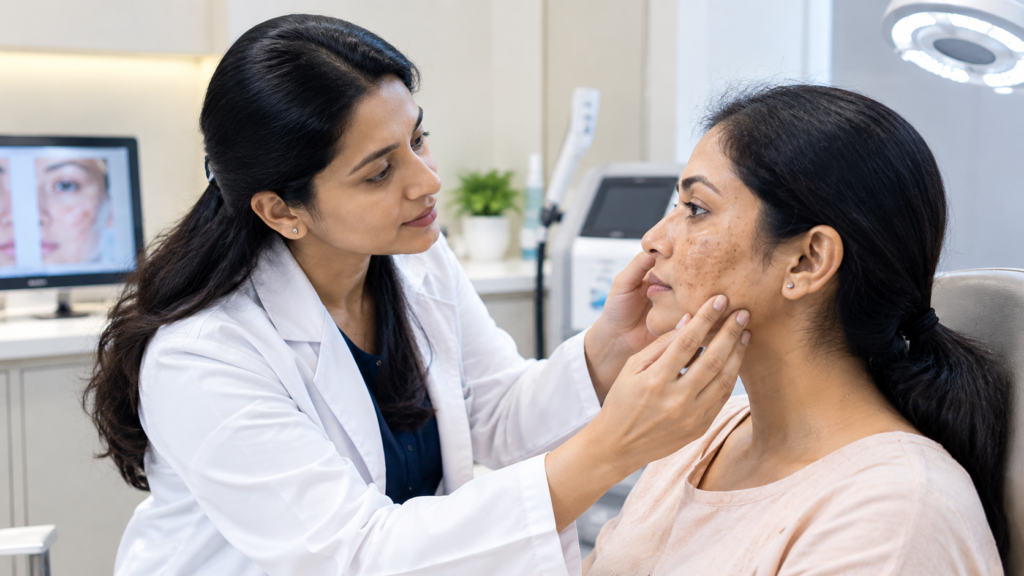
- Clinical & Dermoscopic Examination: The dermatologist examines your underarms under magnification to distinguish flat melanin pigment from coarse hair root shadow, velvety skin thickening, or superficial fungal/bacterial staining.
- Habit & Product Review: The doctor reviews your hair removal methods, deodorant ingredients, clothing fabrics, and skincare products to eliminate ongoing irritation triggers.
- Metabolic Blood Screening (When Indicated): If velvety thickening (Acanthosis Nigricans) is present, targeted blood tests—such as Fasting Insulin, HbA1c, Fasting Glucose, and PCOS hormonal panels—may be recommended to address internal drivers alongside external skin care.
4. Advanced Clinical Treatments for Underarm Pigmentation in Hyderabad
Modern dermatology offers gentle, targeted procedures specifically calibrated for sensitive skin folds. Rather than harsh bleaching, clinical care focuses on safely shattering excess pigment, smoothing thickened skin, and eliminating root friction:
1. Q-Switched Nd:YAG Laser Toning
Q-Switched Laser Toning is one of the safest, most effective clinical treatments for stubborn underarm hyperpigmentation.
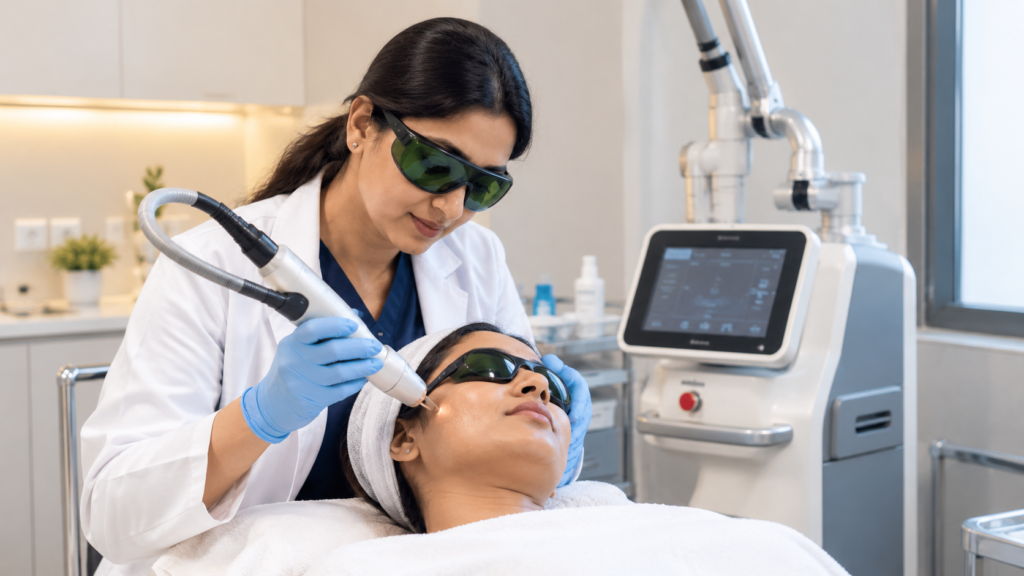
- How It Works: The laser emits ultra-short, high-energy pulses of light at a specialized wavelength (1064nm) that passes safely through the delicate outer skin barrier and targets excess melanin granules directly. The light energy shatters dark pigment clusters into microscopic particles without heating or burning surrounding healthy tissue.
- What Happens Next: Over the following weeks, your body’s natural lymphatic system clears away the shattered pigment particles, gradually revealing clearer, brighter, more uniform underarm skin.
- Sessions Needed: Typically requires 4 to 6 sessions spaced 3 to 4 weeks apart.
2. Gentle Axillary Chemical Peels
Medical chemical peels formulated specifically for sensitive body folds gently lift surface pigment and smooth rough skin texture.
- How It Works: Dermatologists use mild, buffered alpha-hydroxy and beta-hydroxy acids—such as Lactic Acid, Mandelic Acid, Glycolic Acid, or Arginine Peels—at controlled concentrations safe for Indian skin tones. These gentle acids dissolve dark, dead skin cells while hydrating the skin barrier without harsh burning or peeling.
- Benefits: Brightens dull surface discoloration, softens rough texture, and improves the absorption of prescribed brightening creams.
- Sessions Needed: Usually 4 to 6 sessions spaced 2 to 3 weeks apart.
3. Laser Hair Reduction (Diode / Triple-Wavelength Laser)
When underarm darkness is driven or worsened by frequent shaving, waxing, or visible dark hair roots beneath thin skin:
- How It Works: Medical-grade laser hair reduction targets melanin inside the hair follicle root, permanently reducing coarse hair growth safely.
- Benefits: Eliminates the dark “shaving shadow” immediately, stops razor bumps and ingrown hairs, and ends the cycle of repeated waxing trauma—allowing underarm skin to heal and lighten naturally.
4. Prescription Non-Steroidal Brightening & Barrier Care
In-clinic sessions are supported by customized home-care creams containing safe, gentle melanin-regulating ingredients—such as Kojic Acid, Alpha Arbutin, Azelaic Acid, Niacinamide, Licorice Extract, Urea, and Lactic Acid—strictly avoiding harmful topical steroids or irritating hydroquinone in skin folds.
5. Matching the Right Treatment to Your Underarm Concern
To help you understand how different clinical options match specific causes of dark underarms, here is a clear breakdown:
1. Dark Shadow & Razor Bumps from Shaving or Waxing
- Recommended Treatment: Laser Hair Reduction combined with Q-Switched Laser Toning or Mandelic Acid Peels.
- How It Helps: Removes dark hair roots permanently and lifts post-inflammatory brown spots left behind by razors or wax.
- Expected Outcome: Smooth, hair-free, even-toned underarms over 4 to 6 sessions.
2. Deodorant-Induced Brown or Grayish Patches
- Recommended Treatment: Switching to fragrance-free, alcohol-free roll-ons alongside Q-Switched Laser Toning and Niacinamide barrier creams.
- How It Helps: Calms low-grade contact allergy first, then shatters accumulated dermal melanin safely.
- Expected Outcome: Steady fading of dark patches over 4 to 6 sessions.
3. Thick, Velvety Underarm Skin (Acanthosis Nigricans)
- Recommended Treatment: Gentle Salicylic/Lactic Peels, Keratolytic Urea/Lactic Acid Topicals, and Metabolic/Insulin Guidance.
- How It Helps: Smooths thickened velvety ridges, lightens pigment, and addresses underlying insulin resistance.
- Expected Outcome: Softer, thinner skin texture and visible lightening over 6 to 12 weeks.
4. Friction Darkening from Tight Clothing & Sweat
- Recommended Treatment: Breathable cotton clothing, Ceramide barrier repair, and Lactic Acid Brightening Peels.
- How It Helps: Repairs damaged skin barrier and gently exfoliates pigmented surface cells.
- Expected Outcome: Clearer, healthier underarm skin tone over 3 to 5 sessions.
6. What to Expect During Your Dermatology Consultation
Achieving bright, smooth underarms safely requires a personalized clinical approach:
- Detailed Underarm Assessment: The dermatologist examines your underarms under proper lighting to determine pigment depth, hair root density, and skin thickness.
- Trigger Identification: The doctor reviews your hair removal routines, deodorants, clothing fabrics, and overall health to stop ongoing pigment triggers.
- Customized Treatment Plan: Based on your skin type and goals, the dermatologist designs a tailored schedule combining Q-Switched laser toning, gentle peels, or laser hair reduction with safe daily topicals.
- Comfort and Safety: All treatments use calibrated parameters safe for South Asian skin phototypes, ensuring a comfortable session with zero social downtime.
7. Cost Breakdown of Underarm Pigmentation Treatment in Hyderabad
Pricing for professional underarm lightening across specialized dermatology centers in Hyderabad depends on doctor expertise, technology used, and the number of sessions required:
- Specialist Dermatologist Consultation: ₹700 to ₹1,200 (Includes clinical assessment and custom home-care plan).
- Gentle Underarm Chemical Peels: ₹2,000 to ₹4,500 per session (Varies based on peel formulation and combination care).
- Q-Switched Nd:YAG Laser Toning: ₹3,000 to ₹6,000 per session (Package options available for 4 to 6 sessions).
- Underarm Laser Hair Reduction: ₹2,500 to ₹5,000 per session (Eliminates shaving shadow and waxing trauma).
- Prescription Brightening & Barrier Care Kit: ₹900 to ₹2,000 per month (Safe, non-steroidal medical creams and gentle cleansers).
8. Daily Underarm Care Habits & Protection Tips in Hyderabad
Maintaining clear, bright underarms long-term depends on gentle daily habits suited to Hyderabad’s warm climate:
- Switch to Gentle, Alcohol-Free Deodorants: Avoid spray deodorants and roll-ons containing denatured alcohol, heavy perfumes, or aluminum irritants. Choose dermatologist-recommended, fragrance-free, gentle mineral or sensitive-skin roll-ons.
- Stop Harsh Scrubbing & Home Acids: Never scrub your underarms with loofahs, pumice stones, lemon juice, or baking soda. Wash gently using your fingertips and a mild, soap-free hydrating cleanser.
- Consider Laser Hair Reduction Over Shaving/Waxing: If you must shave temporarily, always use a sharp, clean razor with moisturizing shaving gel in the direction of hair growth—never dry shave.
- Wear Loose, Breathable Cotton Clothing: Choose soft, breathable cotton sleeves during hot summer days or workouts to reduce sweat trapping and fabric friction.
- Moisturize Delicate Underarm Skin: Apply a plain, fragrance-free ceramide or niacinamide lotion at night to keep the underarm barrier strong and hydrated.
9. Essential Pre-Care and Post-Care Instructions
Following simple pre-care and post-care steps ensures smooth healing and prevents rebound darkening after your clinic session:
Before Your Session
- Stop using exfoliating creams, glycolic lotions, or retinoids in the underarms for 3 days prior to a chemical peel or laser session.
- Avoid waxing, plucking, or using hair removal creams for 5 to 7 days before treatment. (If undergoing Q-Switched laser or hair laser, gentle shaving 24 hours prior may be advised by your doctor).
- Arrive with clean underarms, completely free of deodorants, roll-ons, powders, or perfumes.
After Your Session
- Avoid Deodorants for 48 Hours: Do not apply spray deodorants, roll-ons, or scented lotions for 48 hours after a laser or peel session.
- Avoid Heat and Heavy Sweating: For 48 hours post-treatment, avoid hot showers, saunas, steam rooms, swimming pools, and intense workouts causing heavy friction.
- Wear Loose Cotton Tops: Wear soft, loose-fitting cotton clothing for 2 to 3 days to prevent fabric rubbing against healing skin.
- Use Prescribed Soothing Cream: Apply the calming barrier cream recommended by your dermatologist twice daily to support smooth recovery.
10. Frequently Asked Questions (FAQs)
1. What is the most effective Underarm Pigmentation Treatment in Hyderabad?
The most effective treatment depends on diagnosing the exact cause of your underarm darkening. At Dr. Showrya Gadde Dermatology & Wellness, excess melanin is safely cleared using Q-Switched Nd:YAG Laser Toning and gentle lactic or mandelic acid chemical peels. If repeated shaving or waxing is triggering dark marks, switching to Laser Hair Reduction eliminates root shadow and ongoing skin friction.
2. Why do underarms become dark even with regular washing?
Underarm darkening is caused by excess melanin production and skin thickening, not poor hygiene. Common triggers include repeated friction from shaving razors, hot waxing pulls, alcohol- and fragrance-heavy deodorants, tight synthetic sleeves, and metabolic conditions like insulin resistance or PCOS (Acanthosis Nigricans).
3. How much does underarm pigmentation treatment cost in Hyderabad?
At Dr. Showrya Gadde Dermatology & Wellness, specialist consultation fees range from ₹700 to ₹1,200. Gentle underarm chemical peels cost ₹2,000 to ₹4,500 per session. Q-Switched Nd:YAG Laser toning sessions range from ₹3,000 to ₹6,000 per session, while prescription home-care brightening creams range from ₹900 to ₹2,000 per month.
4. How does Q-Switched Laser lighten dark underarms safely?
The Q-Switched Nd:YAG laser delivers ultra-short pulses of light energy that target excess melanin pigment clusters deep inside underarm skin without heating or burning the sensitive skin fold. The laser shatters dark pigment into tiny particles that your body’s lymphatic system clears away naturally over the following weeks.
5. Can home remedies like lemon juice, baking soda, or alum lighten dark underarms?
No. Underarm skin is thin, warm, and prone to irritation. Applying acidic lemon juice, abrasive baking soda scrubs, or harsh alum blocks disrupts the skin barrier and causes inflammation. On Indian skin tones, skin irritation rapidly leads to post-inflammatory hyperpigmentation (PIH), making underarms significantly darker.
6. Does shaving or waxing make underarm skin darker?
Yes. Shaving cuts hair bluntly at the skin surface, leaving dark hair roots visible beneath thin skin (creating a dark shadow) while causing micro-cuts and razor burn. Hot waxing pulls hair forcibly from the root, triggering repeated skin inflammation and dark spots. Laser Hair Reduction solves both issues permanently.
7. How many sessions are required to see brighter, even-toned underarms?
Most patients require 4 to 6 sessions of Q-Switched Laser Toning or mild underarm chemical peels spaced 3 to 4 weeks apart. Gradual brightening and smoother skin texture typically become visible after the second or third session, with full clearing upon completing the protocol.
8. Are laser and chemical peel treatments for dark underarms safe for Indian skin tones?
Yes. Q-Switched Nd:YAG lasers and buffered lactic, mandelic, or glycolic acid peels are specifically calibrated for South Asian skin phototypes. When performed by a qualified dermatologist using gentle energy settings, they safely lift pigment without causing burns or rebound darkening.
9. Is underarm pigmentation treatment painful?
No. Clinical underarm lightening treatments are very comfortable. Mild chemical peels cause only a brief, light tingling sensation for a couple of minutes, while Q-Switched Laser toning feels like gentle, warm pinpricks on the skin.
10. Is there any downtime after underarm lightening sessions?
Downtime is minimal to zero. After Q-Switched laser toning, you can return to work and daily activities immediately. After a mild chemical peel, light skin dryness or gentle flaking may occur for 2 to 3 days, easily managed with soothing moisturizer.
11. Can deodorants and roll-ons cause dark underarm patches?
Yes. Many commercial sprays and roll-ons contain high levels of denatured alcohol, synthetic fragrances, and essential oils that irritate delicate underarm skin. Repeated daily irritation causes low-grade contact dermatitis, stimulating melanin cells to darken the skin.
12. What is Acanthosis Nigricans in the underarms?
Acanthosis Nigricans is a skin condition causing dark brown or black, thickened, velvety patches in body folds like the underarms and neck. It is closely linked to insulin resistance, PCOS, or weight gain, where elevated blood insulin stimulates rapid skin thickening and pigment buildup.
13. What should I avoid immediately after an underarm brightening session?
Avoid applying scented deodorants, antiperspirants, or alcohol sprays for 48 hours after treatment. Avoid hot showers, saunas, heavy gym sweating, tight synthetic sleeves, and shaving or waxing for 3 to 5 days post-session.
14. Why should I avoid unprescribed fairness creams in the underarms?
The underarm is a closed skin fold where topical creams absorb much faster than on open skin. Unprescribed fairness creams containing hidden topical steroids quickly cause severe skin thinning, painful stretch marks, fungal infections, and extreme rebound darkening.
15. Why choose Dr. Showrya Gadde Dermatology & Wellness for Underarm Pigmentation Treatment in Hyderabad?
Dr. Showrya Gadde (MBBS, DNB – Dermatology) provides accurate diagnostic evaluation and safe, evidence-based underarm brightening care. Her practice in Jubilee Enclave, Kondapur, combines Q-Switched laser toning, gentle peels, laser hair reduction, and customized barrier-repair regimens for clear, smooth underarms.
11. Schedule Your Clinical Underarm Evaluation
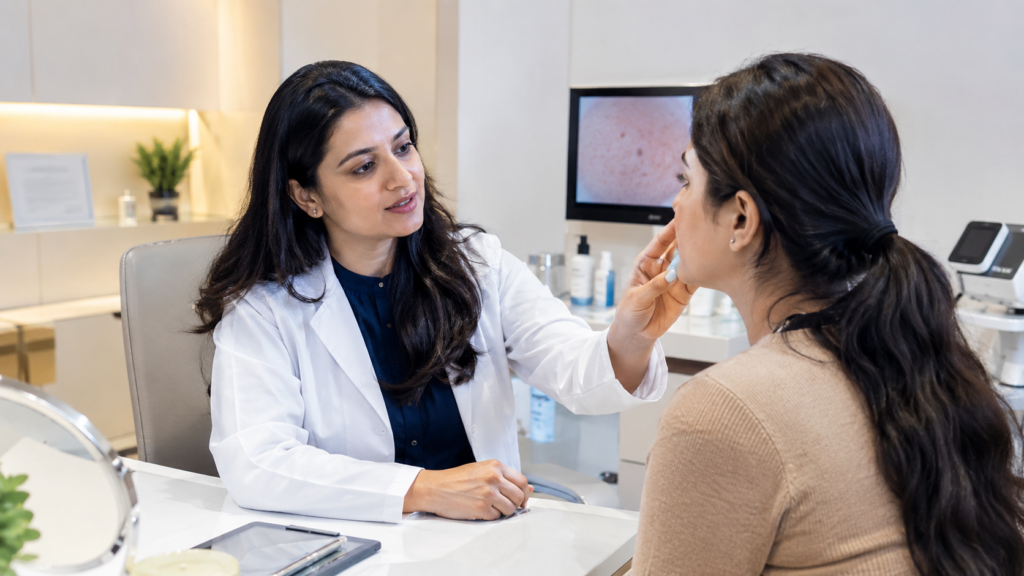
Clearing dark underarms and restoring smooth, even-toned skin begins with a gentle, medically supervised dermatological approach rather than harsh scrubs or unprescribed creams. Whether your underarm darkening is caused by shaving, waxing, deodorant irritation, or Acanthosis Nigricans, schedule a consultation with Dr. Showrya Gadde at Dr. Showrya Gadde Dermatology & Wellness in Jubilee Enclave, Kondapur, Hyderabad. A comprehensive evaluation will help design a safe, personalized plan tailored to restore bright, healthy skin.