
Table of Contents
Joint Injections for Pain Management Without Surgery | Apollo Medical Centre
Joint pain is a common problem affecting millions of people worldwide. Pain in the knees, shoulders, hips, elbows, or other joints can make everyday activities—walking, climbing stairs, lifting objects, or even sleeping—difficult and exhausting. While medications, physiotherapy, and lifestyle modifications can help, some patients need targeted interventions to achieve meaningful, long-term relief.
Joint injection is one of the most effective non-surgical pain management treatments. At Apollo Medical Centre, under the guidance of Dr. Purohithi, we provide ultrasound-guided and C-arm guided joint injection to ensure precise delivery of medication directly to the affected joint. This maximizes pain relief, reduces inflammation, and helps patients regain mobility and independence safely.

Understanding Joint Pain
Joints are complex structures connecting bones, supported by cartilage, ligaments, tendons, and muscles. Healthy joints allow smooth, pain-free motion. When any of these structures are affected—through injury, inflammation, degeneration, or overuse—pain develops, sometimes becoming chronic.
Joint pain is not a single disease. It is a symptom with multiple possible causes, which is why a personalized, expert approach is critical. Dr. Purohithi emphasizes that correct diagnosis before treatment is essential to avoid unnecessary procedures and to achieve lasting relief.
Common Causes of Joint Pain
Degenerative Causes
- Osteoarthritis (wear-and-tear cartilage degeneration)
- Age-related cartilage thinning
- Post-traumatic joint degeneration
Inflammatory Causes
- Synovitis (inflammation of joint lining)
- Bursitis (inflammation of fluid-filled sacs near joints)
- Rheumatoid arthritis or other autoimmune conditions
Injury-Related Causes
- Ligament or tendon injuries
- Sprains and fractures
- Repetitive stress injuries
Mechanical or Overuse Causes
- Muscle imbalances
- Poor posture or joint alignment
- Overuse injuries from sports or repetitive work
Dr. Purohithi notes that pain intensity does not always correlate with imaging results. Some patients may have severe pain with minimal X-ray changes, while others have significant degeneration with minimal discomfort. This is why clinical assessment combined with precision intervention is critical.
What Are Joint Injections?
Joint injections involve delivering medication directly into the joint space or surrounding tissues. This allows precise targeting of inflammation and pain sources. Unlike oral medications, which affect the entire body, joint injections act locally, providing more effective and often faster relief.
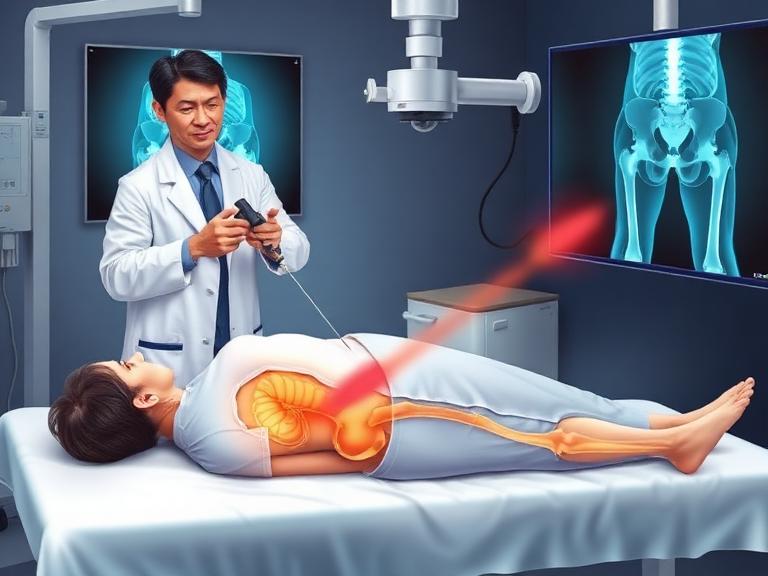
At Apollo Medical Centre, joint injections are performed using ultrasound or C-arm fluoroscopy guidance to ensure accuracy. This minimizes complications and ensures that the medication reaches the intended area, maximizing effectiveness.
Conditions Treated with Joint Injections
Joint injections are effective for a wide range of conditions, including:
- Knee osteoarthritis and degenerative changes
- Hip joint arthritis or bursitis
- Shoulder pain, including frozen shoulder and rotator cuff injuries
- Elbow and wrist pain from overuse or inflammation
- Ankle pain due to arthritis or chronic strain
- Pain following sports injuries or trauma
By targeting the exact site of pain, injections not only relieve symptoms but also improve joint function and mobility.
Types of Joint Injections
Corticosteroid Injections
Corticosteroids are powerful anti-inflammatory medications. They reduce swelling within the joint, relieve pain, and improve range of motion. They are commonly used for arthritis, bursitis, and inflammatory joint conditions.
Local Anesthetic Injections
Local anesthetic injections provide immediate pain relief and are often used diagnostically to confirm the exact source of joint pain.
Combination Injections
Combining corticosteroids with a local anesthetic allows both immediate and sustained pain relief, helping patients regain mobility while reducing inflammation over time.
The Procedure: How Joint Injections Are Performed
- Clinical Evaluation: The painful joint is carefully examined to determine the exact source of pain.
- Image Guidance: Ultrasound or C-arm fluoroscopy ensures precise needle placement.
- Medication Delivery: Medication is injected directly into the joint or surrounding tissue.
- Post-Procedure Monitoring: Patients are observed briefly before discharge, often returning to normal activities the same day.
The procedure is minimally invasive, typically taking 10–20 minutes, and is performed under sterile conditions to minimize infection risk.

Benefits of Image-Guided Joint Injections
- Highly accurate targeting of the painful joint
- Immediate and long-term pain relief
- Reduced need for systemic medications
- Improved joint mobility and function
- Minimally invasive, outpatient procedure
- Helps delay or avoid surgery in many cases
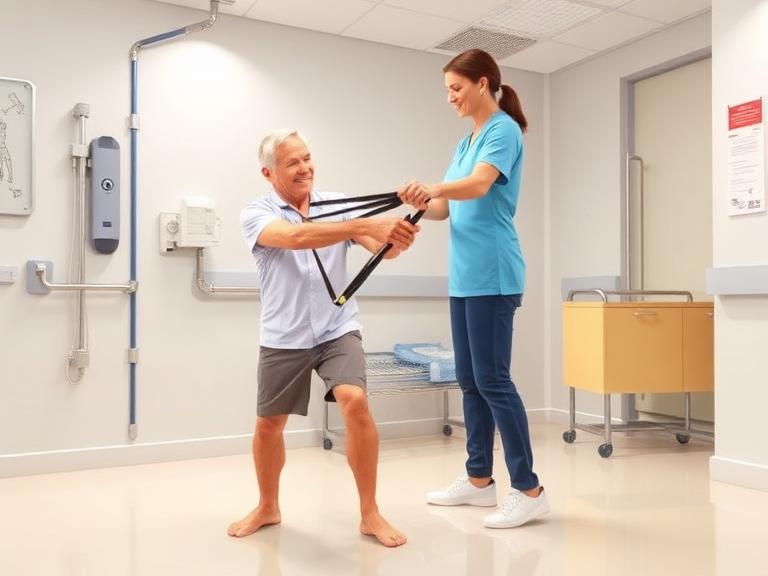
Rehabilitation After Joint Injections
Pain relief alone is not enough. Rehabilitation is critical for long-term success:
- Strengthening exercises: Improve muscles around the joint to provide stability
- Range-of-motion exercises: Maintain flexibility and prevent stiffness
- Functional training: Helps patients regain normal movement patterns
- Lifestyle guidance: Weight management, ergonomics, and activity modification
At Apollo Medical Centre, rehabilitation plans are personalized, ensuring that pain relief translates into long-lasting joint health.
Lifestyle Measures to Support Joint Health
Successful joint pain management also requires ongoing lifestyle adjustments:
- Maintain a healthy weight to reduce joint stress
- Engage in low-impact exercises like swimming, cycling, or yoga
- Avoid prolonged repetitive activities that strain joints
- Ensure ergonomic support at work and home
By combining joint injections with lifestyle modification, patients achieve optimal pain relief and long-term joint preservation.
Frequently Asked Questions (FAQ)
Are joint injections safe?
Yes. When performed by a trained pain specialist under imaging guidance, joint injections are highly safe and well-tolerated.
How long does relief last?
Relief can range from weeks to months depending on the condition, severity, and rehabilitation efforts.
Do joint injections require hospitalization?
No. These are outpatient procedures, and most patients return home the same day.
Will I still need surgery after joint injections?
Many patients avoid surgery with proper joint injections and rehabilitation. In some cases, injections delay the need for surgery.
Why Choose Apollo Medical Centre?
Apollo Medical Centre ( Hyderabad ) provides world-class joint pain management with a non-surgical, patient-centered approach. Our advantages include:
- Expert care from Dr. Purohithi, a pain specialist trained in ultrasound and C-arm-guided injections
- Precise, image-guided procedures to maximize effectiveness
- Personalized rehabilitation and lifestyle guidance
- Focus on long-term pain relief and joint preservation
Joint injections at Apollo Medical Centre are not just procedures—they are pathways to a pain-free, active life.