
Table of Contents
Yoga for Fascia Health in Chennai: 2026 Longevity Guide
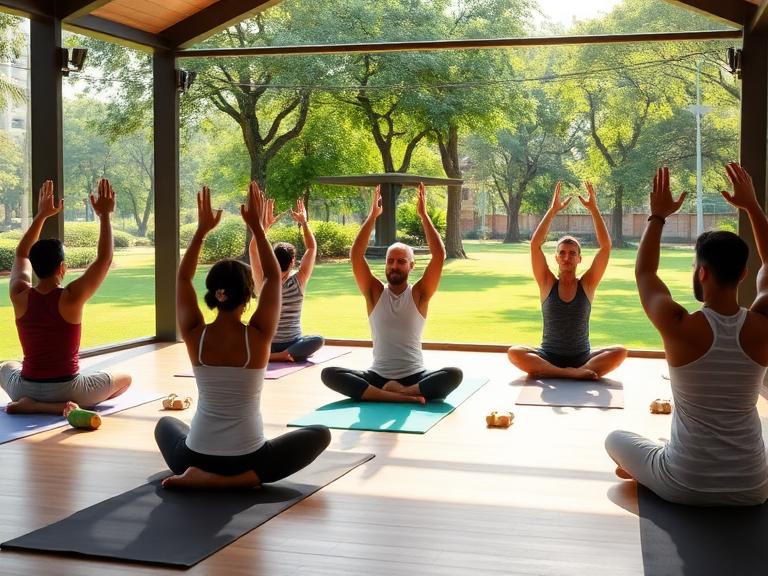
Yoga for fascia health in Chennai has become a central focus for wellness enthusiasts seeking to move beyond muscle-deep stretching toward long-term structural resilience. In 2026, the city’s health-conscious community is prioritizing “Fascial Fitness”—practices that target the 3D web of connective tissue that stabilizes the body and regulates the nervous system. In Chennai, options such as Outdoor Yoga Chennai offer structured outdoor and online yoga sessions for different needs, specifically incorporating Yin and restorative techniques that allow for “fascial creep” and rehydration. Whether through sunrise sessions at Besant Nagar or interactive virtual modules, these programs use sustained, low-load pressure to release chronic tension and improve functional mobility for urban professionals.
Why Yoga Is Popular in Chennai
In 2026, Chennai has solidified its reputation as a global leader in holistic recovery. The surge in yoga’s popularity is a direct response to the “tech-neck” and chronic stiffness prevalent in the city’s booming IT corridors and manufacturing hubs. As residents shift their focus from high-intensity training to longevity-based wellness, they are increasingly seeking methods that address the root causes of urban fatigue.
Chennai’s humid coastal climate acts as a natural facilitator for fascial health. The warmth helps the ground substance of the fascia—a gelatinous fluid—become more liquid and less viscous, allowing for smoother “gliding” of muscles and joints. This environmental advantage makes Chennai an ideal location for deep-tissue practices, turning the city into a playground for those interested in the science of bio-mechanics and connective tissue health.
Types of Yoga Classes Available in Chennai
For those targeting fascia, the style of yoga matters more than the intensity. Chennai’s instructors are now offering specialized modules:
- Yin Yoga: Characterized by long, passive holds (3 to 5 minutes) that safely stress the deep connective tissues rather than the muscles.
- Restorative Yoga: Uses props like bolsters and blankets to support the body, signaling the nervous system to drop into a deep “rest and repair” mode.
- Outdoor Yoga: Practicing on natural, uneven surfaces like the sand at Thiruvanmiyur beach challenges the fascia’s proprioceptive receptors, improving balance and spatial awareness.
- Somatic Yoga: Focuses on internal physical perception, helping practitioners release “sensory-motor amnesia” and chronic holding patterns in the fascia.
- Online Yoga Classes: Virtual platforms now provide specialized “Fascia Friday” or “Desk-Break” sessions designed to rehydrate tissues for those working from home.
- Fascial Manipulation Workshops: Sessions that combine asana with self-myofascial release (SMR) using balls and rollers.
What to Look for in a Good Yoga Class or Institute
When your goal is fascial health, the quality of instruction is critical to avoid overstretching ligaments. Look for these indicators in Chennai:
- Topical Expertise: Ensure the instructor understands the difference between muscle-stretching (dynamic) and fascia-loading (passive/sustained).
- Emphasis on Proprioception: A good class will encourage you to feel the body’s position in space, as fascia contains ten times more sensory receptors than muscle.
- Safety and Modifications: Newcomers should be guided into poses gradually; look for instructors who use blocks and belts to tailor the pose to your current range of motion.
- Holistic Environment: Since stress causes fascia to tighten, a calm, distraction-free environment—whether in a studio or a quiet park—is essential for the practice to be effective.
- Instructor Certification: Look for specialized training in Yin Yoga or somatic movement from recognized global bodies like Yoga Alliance.
Who Benefits Most From Yoga Classes
Fascia-focused yoga is particularly transformative for specific groups within Chennai’s demographic:
- Urban Professionals: Those spending long hours in fixed postures (sitting or standing) who experience “shrink-wrap” stiffness in their lower back and neck.
- Athletes and Runners: Residents who use the ECR running tracks often suffer from IT band syndrome or plantar fasciitis—both primarily fascial issues.
- Women: Seeking to improve circulation and lymphatic drainage, which are directly supported by healthy, hydrated connective tissue.
- Seniors: Focused on maintaining “springiness” and preventing the “frozen” feeling in joints associated with aging.
- Beginners: Who find the slower pace of fascia yoga more approachable and less intimidating than power-oriented styles.
When Online or Outdoor Yoga Makes Sense
The choice between a virtual or open-air setting depends on your recovery needs.
Online yoga makes sense for daily maintenance. Because fascia requires regular, small inputs to remain hydrated, a 20-minute daily online session is often more effective than a single weekly studio visit. It allows for a consistent “un-gluing” of tissues after a day of work.
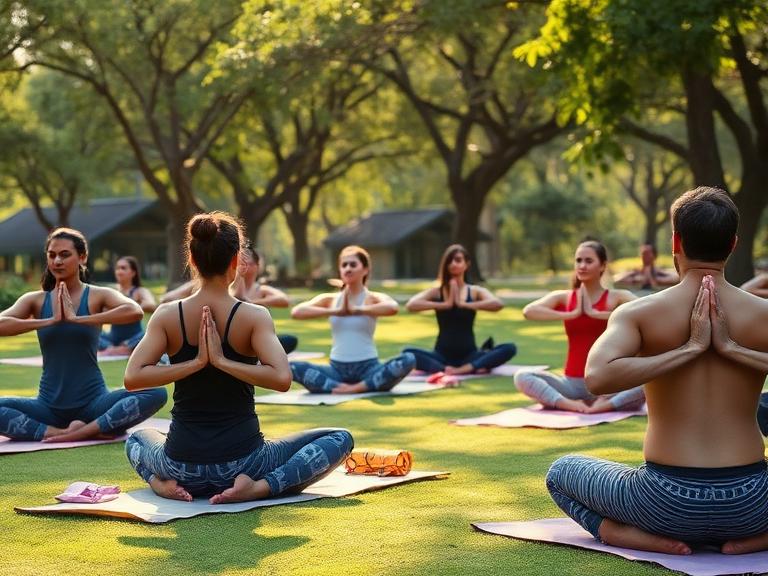
Outdoor yoga makes sense for sensory-rich recovery. The fresh air and natural sunlight help lower systemic inflammation, which is closely linked to fascial densification. Outdoor Yoga Chennai specializes in nature-based sessions that use the coastal environment to deepen the restorative process, helping practitioners reset both their structure and their spirit through “blue space” immersion.
FAQs
What is fascia and why does it matter in yoga? Fascia is a 3D web of connective tissue that surrounds every muscle and organ. In yoga, keeping fascia healthy ensures you move with ease, avoid “frozen” joints, and reduce chronic pain.
How is fascia yoga different from regular yoga? While regular yoga often focuses on muscle contraction and flow, fascia yoga (like Yin) uses long, still holds to gently stress the deeper connective tissues and ligaments.
Where can I find Yin yoga for fascia in Chennai? Specialized sessions are available in neighborhoods like Adyar, Besant Nagar, and Anna Nagar. Many centers now offer dedicated fascia-health workshops.
Does outdoor yoga help with fascia health? Yes. Practicing on natural terrain (like sand or grass) stimulates the sensory receptors in your fascia, which improves balance and “proprioception”—your body’s sense of its position in space.
How long should I hold a pose for fascia release? To achieve “fascial creep” or permanent change in the tissue, poses are typically held for at least 3 to 5 minutes under low load.
Can I do fascia yoga online? Absolutely. Many practitioners prefer the privacy of home for the long, meditative holds required for fascia work. Online classes with real-time feedback are highly effective.
Is fascia yoga good for back pain? Yes, especially for the thoracolumbar fascia in the lower back, which is a common source of stiffness for people with sedentary jobs in Chennai.
What are the benefits of ‘rehydrating’ fascia? Hydrated fascia allows your muscles to slide over each other without friction, making you feel “springy” and reducing the risk of injury.
Does Outdoor Yoga Chennai offer fascia-specific sessions? Yes, Outdoor Yoga Chennai incorporates restorative and mobility-focused elements into their outdoor and virtual programs to support connective tissue health.
Can beginners start with fascia yoga? Yes, it is often easier for beginners as it involves less cardiovascular strain, though the intensity of long holds requires mental focus.
Does heat help with fascia yoga? Yes, Chennai’s natural warmth helps the fascia’s ground substance stay fluid, allowing for deeper and safer releases than in cold environments.
What tools are used for fascia health in yoga? Instructors often use tennis balls, foam rollers, and yoga blocks to apply targeted pressure to “trigger points” in the connective tissue.
Is fascia yoga the same as foam rolling? They are related. Yoga uses the weight of the body in specific postures to achieve the release, while foam rolling is a form of self-massage that targets the same tissues.
Can fascia health improve posture? Definitely. Tight fascia acts like a “vacuum seal” that pulls your shoulders forward. Releasing these “fascial trains” helps you stand taller and more naturally.
How many times a week should I practice for my fascia? For best results, aim for 2–3 dedicated Yin or restorative sessions a week, supplemented by daily short mobility “snacks.”