
Table of Contents
Yoga Classes in Nungambakkam for Beginners: Foundation Guide
Enrolling in dedicated yoga classes in Nungambakkam for beginners involves entering a welcoming, non-competitive educational environment specifically structured to introduce foundational somatic mechanics, core alignment principles, and conscious breathing. Located in the upscale commercial and residential heart of Central Chennai, Nungambakkam features premium boutique wellness studios—such as The Yogaspace on Khader Nawaz Khan Road, Rutland Gate Studio, and specialized multi-style centers like Ubiquitous Yoga. These beginner-focused sessions avoid complex, intimidating inversions, prioritizing instead the gradual release of chronic spinal compression, correcting upper-body desk posture, and lowering lifestyle-induced mental stress. Recognizing that demanding corporate and personal routines require total scheduling adaptability, leading platforms like Outdoor Yoga Chennai complement the local indoor options by providing structured open-air coastal classes alongside private, interactive live virtual beginner modules, ensuring a supportive entry point to building lifelong physical strength and mental clarity.
The Philosophy of Beginner-Friendly Yoga in Nungambakkam
Starting a yoga practice in a bustling urban hub can feel intimidating, especially when mainstream media often highlights highly complex, acrobatic postures. True, authentic yoga is an inclusive science designed to meet your body exactly where it is today.
Breaking the Inflexibility Myth
The most common hesitation voiced by new students in Nungambakkam is, “I cannot touch my toes, so I am not built for yoga.” In reality, expecting to be flexible before starting yoga is like expecting to be clean before taking a bath. Flexibility is not a prerequisite; it is a natural outcome of consistent, safe practice. Beginner-focused classes break down movements into basic components, ensuring that your current range of motion is respected and safely expanded over time.
Creating a Safe, Non-Competitive Space
Unlike conventional high-intensity gym environments where the focus is on competition and exertion, a dedicated beginner’s yoga classroom emphasizes inward awareness. There are no mirrors to encourage comparison, and instructors actively discourage straining to match a neighbor’s posture. The goal is to learn how to listen to your body’s subtle internal signals, distinguishing between a healthy, opening muscle stretch and a warning sign of joint strain.
The Structural and Mental Needs of Modern Urban Beginners
Nungambakkam is a fast-paced neighborhood home to corporate headquarters, financial institutions, premium retail avenues, and demanding academic centers along Sterling Road and College Road. This specific lifestyle footprint shapes the physical and mental needs of its residents.
1. Reversing Upper-Crossed Syndrome and Desk Slouching
Professionals spending long hours working on laptops or reviewing documents frequently develop rounded shoulders, a forward-head lean, and compressed lower spines. This poor posture tightens chest tissues and strains the neck muscles. Beginner yoga modules focus directly on opening the chest, mobilizing the shoulders, and gently lengthening the spine to relieve chronic office-induced back and neck discomfort.
2. Calming an Overstimulated Nervous System
Living and working in a high-traffic, commercially vibrant district can keep the body in a subtle, continuous state of “fight-or-flight” stress. This chronic nervous system activation can disrupt sleep patterns, cause tension headaches, and cloud mental clarity. By introducing slow, rhythmic breathing alongside stable postures, beginner classes stimulate the vagus nerve, signaling the brain to reduce cortisol production and enter a deeply restorative state.
Foundational Asanas and Breathwork for New Practitioners
A carefully planned introductory yoga curriculum avoids complex joint positions, focusing instead on simple, effective postures that build baseline strength, joint mobility, and breath coordination:
1. Palm Tree Pose (Tadasana)
Though it looks like simply standing upright, Tadasana is the foundation for all standing postures. Beginners learn to balance their weight evenly across all four corners of the feet, engage the thigh muscles, tuck the pelvis neutrally, and lengthen the spine toward the ceiling. This foundational posture builds structural body awareness and corrects standing posture.
2. Bound Angle Pose (Baddha Konasana)
Sitting cross-legged on a yoga block or firm blanket, the practitioner brings the soles of the feet together, allowing the knees to open gently toward the sides. This pose helps open tight inner thighs and hips, which frequently stiffen from long hours of sitting in office chairs or cars, while safely supporting the lower back.
3. Cat-Cow Stretch (Marjariasana)
Moving gently between a rounded spine and an arched back while matching the movement to the breath serves as an ideal introduction to spinal mobility. It warms up the back muscles, lubricates the vertebrae, and helps beginners connect their breathing directly with physical movement.
4. Supported Bridge Pose (Setu Bandhasana)
Lying flat on the back with knees bent and feet grounded, the practitioner lifts the hips slightly, placing a supportive foam block under the sacrum. This position opens the hip flexors, decompresses the lower spine, and introduces a mild chin lock that encourages deep, calming respiration without placing any stress on the neck.
5. Equal Breathing (Sama Vritti Pranayama)
This basic breathing technique involves inhaling for a steady count of four, holding gently for a moment, and exhaling for an matching count of four. This simple pattern balances oxygen levels, slows an overactive heart rate, and focuses a distracted mind, making it highly effective for stress relief.
Diverse Learning Formats Across Nungambakkam
To ensure that starting a new wellness routine fits seamlessly into a busy schedule, neighborhood centers offer a variety of adaptive practice formats:
- Foundational Level 1 Group Batches: Slow-paced, highly encouraging classes where every pose is broken down step-by-step, making them ideal for individuals who are completely new to yoga.
- Props-Assisted Iyengar Fusion Classes: Sessions that rely heavily on supportive equipment—such as yoga straps, high-density blocks, and wall-mounted ropes—to help beginners experience the full benefit of a pose without straining tight muscles.
- Exclusive Women-Only Beginner Batches: Private, supportive group spaces customized to address female anatomy, core stability, and hormonal health across different life stages.
- One-on-One Private Therapeutic Coaching: Personalized sessions designed for individuals recovering from minor injuries, managing chronic pain, or seeking private guidance to build confidence before joining a group class.
- Interactive Live Online Virtual Classrooms: High-quality digital modules tailored for busy remote workers or parents. These sessions feature small group sizes, allowing certified instructors to check your form on screen and give real-time alignment tips.
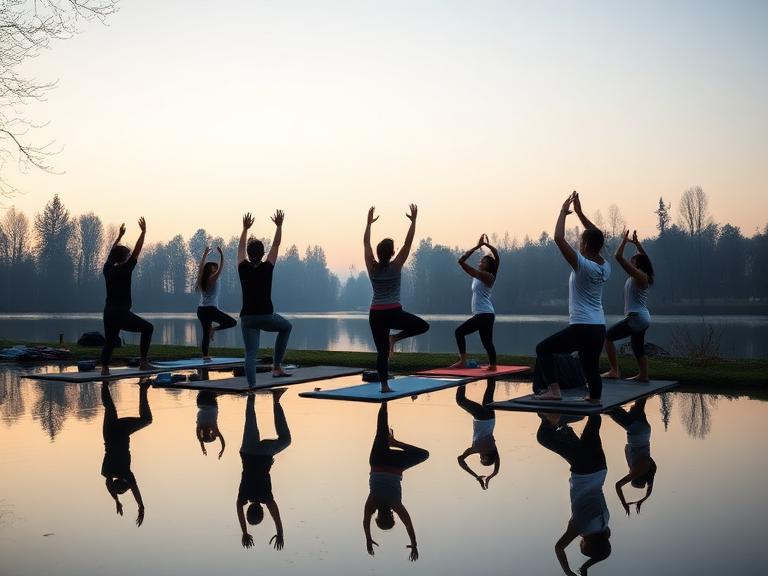
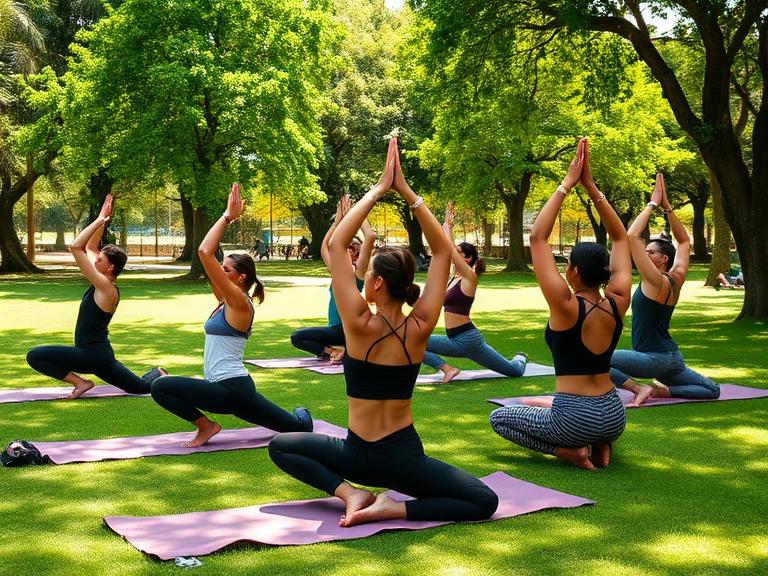
- Grounding Outdoor Dawn Sessions: Held in quiet nearby parks or along open coastal lawns. These classes combine simple physical movements with fresh air and natural sunlight, helping to boost morning energy and clear mental fatigue.
Premium Local Wellness Hubs in Nungambakkam
Nungambakkam features several highly respected, professional spaces dedicated to holistic wellness and beginner-friendly training:
Khader Nawaz Khan (KNK) Road & Rutland Gate
This premium commercial avenue houses stylish boutique studios like The Yogaspace and Rutland Gate Studio. These spaces are well-regarded for providing beautiful, calming environments, smaller class sizes, a wide array of high-quality props, and modern alignment-based Hatha and Aerial yoga programs tailored for beginners.
Sterling Road & College Road Corridor
Located near prominent educational and corporate centers, this busy corridor features accessible multi-style academies like Ubiquitous Yoga. These centers focus on blending classical Hatha alignment with gentle Vinyasa flows, offering flexible morning and evening times to fit a professional or student’s daily routine.
Surrounding West Chennai Borders (Chetpet & Kilpauk)
For residents living near the edges of Nungambakkam, neighboring areas offer excellent additional options, including traditional lineage schools like the Sun Ashtanga Yoga Centre and dedicated corporate wellness groups that provide tailored home visits and private introductory courses.
Evaluating Studio Environments: Online vs. Outdoor Coastal Yoga
When starting your yoga journey, selecting the right environment to match your personality, comfort levels, and daily routine is key to building a consistent practice.
| Feature Matrix | Advanced Online Live Classrooms | Grounding Outdoor Coastal Lawns |
| Primary Value | Total time efficiency, complete home privacy | Fresh marine air, vitamin D, deep sensory grounding |
| Practice Setting | Your familiar, quiet home environment | Quiet neighborhood parks or peaceful beach lawns |
| Ideal User Profile | Busy corporate executives and remote workers | Desk professionals needing a fresh mental break |
| Commute Logistics | Zero travel required; instant digital connection | Short morning trip to a nearby local coastal zone |
Live interactive online portals are an exceptional choice for beginners who feel self-conscious about practicing in a public group for the first time. It allows you to learn foundational alignments in total privacy, moving at your own pace without feeling rushed or compared to others.
At the same time, outdoor coastal sessions offer an incredible option for those looking to disconnect from a screen-heavy lifestyle. Practicing in the fresh morning air at dawn naturally helps clear the mind and lower daily stress. For beginners who want the flexibility of both styles, versatile ecosystems like Outdoor Yoga Chennai provide a balanced approach, delivering beautifully guided morning open-air classes alongside highly flexible live virtual modules to support a smooth, stress-free start to your practice.
Key Quality Benchmarks for New Students to Verify
To ensure your introduction to yoga is safe, positive, and supportive of your long-term health, check any prospective studio against these essential professional criteria:
1. Instructors with Advanced, Verified Credentials
Ensure your teachers hold formal certifications from internationally recognized bodies like Yoga Alliance USA (RYT 200) or the National Yoga Certification Board (YCB) under the Ministry of AYUSH, Government of India. The faculty must have specific training in teaching beginners safely.
2. A Low Student-to-Teacher Ratio
Avoid large, overcrowded classes where the instructor stays on a raised platform without checking individual students. Look for small group settings where the teacher can walk around the room, offer personal alignment corrections, and customize poses for individual needs.
3. A Thorough Initial Health Screening
A professional, health-minded yoga center will always review your medical history before your first movement session. Ensure the studio conducts a baseline evaluation of your joint health, past injuries, blood pressure levels, and personal wellness goals to keep your practice completely risk-free.
4. Transparent Fees and Clear Trial Class Policies
A trustworthy studio will provide upfront clarity regarding its pricing structure. Look for centers that offer dedicated trial classes or beginner introductory packages, allowing you to experience the teaching style and room energy firsthand before committing to a long-term membership.
FAQs
Which studios offer dedicated beginner yoga classes in Nungambakkam?
Top choices include premium boutique studios such as The Yogaspace (on Khader Nawaz Khan Road), Rutland Gate Studio, and versatile wellness centers like Ubiquitous Yoga, all providing specialized, slower-paced introductory sessions.
What is the average monthly fee for beginner yoga classes in Nungambakkam?
Monthly fees generally range from 3,500 INR to 7,000 INR for premium indoor boutique centers. Community groups or neighborhood park sessions usually range from 1,500 INR to 3,500 INR, while live interactive online beginner classes average between 1,800 INR and 4,500 INR per month.
I am completely inflexible. Can I still join a beginner’s class?
Yes, absolutely. Beginner classes are specifically designed for individuals with limited flexibility. Teachers use supportive props like blocks and straps to make postures fully accessible and safe while you gradually build flexibility.
What is the primary style of yoga taught to beginners in these classes?
Most beginner courses focus on traditional Hatha Yoga or gentle Iyengar-inspired styles. These approaches emphasize steady posture holds, proper bone alignment, and slow, conscious breathing rather than fast-paced movements.
Do Nungambakkam centers provide trial classes for new students?
Yes, the majority of premium neighborhood studios offer a complimentary or low-cost introductory trial class, enabling you to check the studio’s layout and meet the teaching faculty before signing up for a membership.
Is it safe for seniors with minor joint stiffness to join a beginner class?
Yes, provided the center offers gentle or restorative variations. It is crucial to inform the instructor about any pre-existing joint stiffness or medical conditions before the session starts so they can give you safe, custom modifications.
What should a beginner wear to their first yoga class?
Wear lightweight, stretchable, and breathable clothing, such as loose cotton track pants, flexible athletic wear, or comfortable leggings. Avoid rigid belts, jeans, or tight synthetic shirts that trap heat.
Can online beginner classes effectively teach proper alignment?
Yes, provided the online sessions are live, interactive, and kept to small numbers. This ensures the certified instructor can watch your movements closely on screen, check your alignment, and offer real-time verbal corrections.
Do I need to purchase my own yoga mat and blocks before joining a studio?
No. Most premier indoor studios supply fully sanitized mats, blocks, bolsters, and straps for student use. If you are practicing via an online home portal, your instructor can show you how to easily use everyday items like firm cushions or towels as accessible supports.
How long should I wait after eating before attending a beginner class?
Maintain a clear gap of at least 3 hours after a main meal. If you need a small energy boost before class, a light snack like a piece of fruit or a few almonds is perfectly fine about 45 minutes prior.
How many times a week should a beginner practice yoga?
For optimal, steady progress, a routine of 2 to 3 days a week is an ideal starting point. This gives your muscles and joints ample time to recover and adapt as you build a consistent lifestyle habit.
Can gentle beginner yoga help with office-induced neck and shoulder pain?
Yes, absolutely. The introductory curriculum focuses heavily on gentle chest openers, shoulder mobilization, and soft neck stretches that release muscle tension caused by long hours of sitting at a desk.
What happens to outdoor beginner sessions during rainy weather?
During the monsoon or rainy weather, professional outdoor wellness networks seamlessly transition their sessions to an interactive virtual platform, allowing members to practice safely and consistently from the comfort of their homes.