

Table of Contents
Laparoscopic Surgeon in Hyderabad: Consult Top Keyhole Specialists
Surgical management of gastrointestinal, biliary, abdominal wall, metabolic, and pelvic disorders has evolved beyond traditional open abdominal incisions. Minimal Access Surgery (MAS)—commonly referred to as Laparoscopic Surgery or “keyhole surgery”—is now the established standard of care for abdominal operations. By utilizing high-definition camera systems, narrow trocar ports (0.5 to 1 cm), micro-instruments, and advanced energy devices, laparoscopic surgeons perform complex repairs and organ extractions through tiny entry points.
Hyderabad stands as an international destination for medical excellence and minimal access surgery. Top healthcare corridors across the city—including Jubilee Hills, Banjara Hills, HITECH City, Gachibowli, Secunderabad, Begumpet, and Kukatpally—house specialized institutes equipped with 4K Ultra-HD visualization towers, 3D laparoscopy systems, indocyanine green (ICG) fluorescence imaging, harmonic scalpels, and robotic consoles.
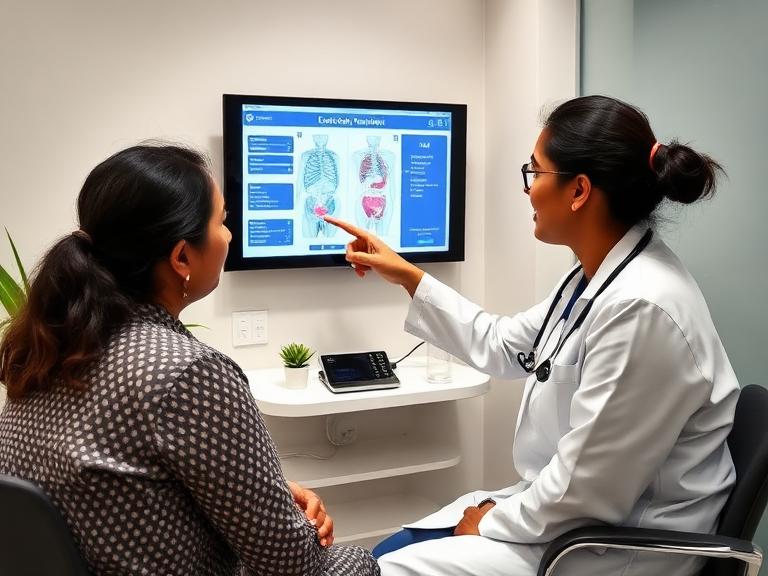
Consulting an experienced, fellowship-trained Laparoscopic Surgeon in Hyderabad guarantees precise surgical execution, reduced tissue trauma, minimal blood loss, low complication rates, and a rapid return to daily activities. This comprehensive guide covers doctor qualifications, core procedures, comparative cost benchmarks, minimal access technologies, safety protocols, and post-operative recovery guidelines to help you plan your care.

1. What Defines a Qualified Laparoscopic Surgeon?
A Laparoscopic Surgeon is a qualified General Surgeon or Surgical Gastroenterologist (MS / DNB / MCh) who has completed advanced sub-specialty fellowship training in Minimal Access Surgery (MAS), Laparo-endoscopic Surgery, or Robotic Gastrointestinal Surgery.
Professional Qualification & Sub-Specialized Training Pathway

                 LAPAROSCOPIC SURGEON / SURGICAL GASTROENTEROLOGIST
                         (MBBS + MS / DNB / MCh Surgery)
                                       │
          ┌────────────────────────────┴────────────────────────────┐
          ▼                                                         ▼
Fellowship Credentials (FMAS, FIAGES, FALS)              Sub-Specialty Expertise
  • Fellowship in Minimal Access Surgery                   • Advanced Gastrointestinal Surgery
  • Indian Association of Gastrointestinal Endo-Surgeons   • Bariatric & Metabolic Operations
  • Fellowship in Advanced Laparoscopic Surgery            • Minimal Access Wall Reconstruction
These specialists possess advanced spatial orientation, two-dimensional and three-dimensional depth perception over monitor interfaces, and mastery over specialized instruments (micro-forceps, harmonic scalpels, radiofrequency vessel sealers, and endo-staplers).
2. Core Spectrum of Procedures Performed by Laparoscopic Surgeons in Hyderabad
Experienced laparoscopic surgeons in Hyderabad perform a wide range of elective and emergency abdominal procedures:
A. Laparoscopic Cholecystectomy (Gallbladder Removal)
Laparoscopic cholecystectomy is the gold-standard treatment for symptomatic gallstones (cholelithiasis), gallbladder polyps, and acute cholecystitis. Through four tiny ports, the surgeon clips and divides the cystic duct and artery, removing the inflamed gallbladder inside a sterile extraction bag.
- Indications: Symptomatic gallstones, biliary colic, acute/chronic cholecystitis, gallstone pancreatitis.
- Hospital Stay: Daycare admission or 24-hour stay.
- Recovery: Resume desk work within 3 to 5 days.
B. Laparoscopic Appendectomy
In cases of acute appendicitis, keyhole appendectomy allows quick visualization, isolation, and removal of the inflamed appendix while minimizing wound infection risks—especially in complex or perforated cases.
- Indications: Acute appendicitis, recurrent appendiceal colic, appendiceal fecalith.
- Hospital Stay: 24 to 48 hours.
- Recovery: Resume normal routine within 5 to 7 days.
C. Advanced Laparoscopic Hernia Repair (TEP / TAPP / IPOM)
Laparoscopic hernia surgery uses synthetic or composite meshes to repair abdominal muscle defects from the inside, eliminating the wide cuts required in open hernia operations.
- TEP (Totally Extraperitoneal): Inguinal hernia repair performed entirely outside the peritoneal cavity without entering the abdominal space.
- TAPP (Transabdominal Preperitoneal): Allows inspection of both groins, ideal for bilateral or recurrent inguinal hernias.
- IPOM (Intraperitoneal Onlay Mesh): Treats ventral, umbilical, and post-surgical incisional hernias using dual-sided anti-adhesive meshes.
D. Laparoscopic Bariatric & Metabolic Surgery
For patients managing severe morbid obesity, type-2 diabetes, and metabolic syndrome, minimal access bariatric procedures—such as Laparoscopic Sleeve Gastrectomy and Roux-en-Y Gastric Bypass—offer durable weight loss and metabolic improvement.
E. Laparoscopic Anti-Reflux Surgery (Fundoplication)
For severe, medication-resistant Gastroesophageal Reflux Disease (GERD) or hiatal hernias, laparoscopic Nissen or Toupet fundoplication wraps the upper curve of the stomach around the lower esophagus to rebuild the anti-reflux barrier.
F. Laparoscopic Gynecological Operations (TLH)
Keyhole hysterectomy (Total Laparoscopic Hysterectomy), myomectomy for uterine fibroids, and ovarian cystectomy allow women to recover with minimal abdominal scarring and short hospital stays.
3. Comprehensive Cost Breakdown: Laparoscopic Surgery in Hyderabad
Pricing for keyhole procedures in Hyderabad varies depending on the specific operation, surgical consumables, hospital room selection, surgeon qualifications, and length of stay.
2026 Price Index for Common Laparoscopic Procedures
| Laparoscopic Procedure Name | General Ward Package (INR) | Private Room Package (INR) | Corporate Hospital Range (INR) | Average Hospital Stay |
|---|---|---|---|---|
| Laparoscopic Cholecystectomy | ₹40,000 – ₹55,000 | ₹55,000 – ₹75,000 | ₹80,000 – ₹1,50,000 | Daycare to 1 Day |
| Laparoscopic Appendectomy | ₹38,000 – ₹50,000 | ₹55,000 – ₹70,000 | ₹70,000 – ₹1,20,000 | 1 to 2 Days |
| Laparoscopic Inguinal Hernia (Unilateral) | ₹45,000 – ₹60,000 | ₹65,000 – ₹85,000 | ₹90,000 – ₹1,40,000 | 1 to 2 Days |
| Laparoscopic Inguinal Hernia (Bilateral) | ₹70,000 – ₹85,000 | ₹90,000 – ₹1,10,000 | ₹1,20,000 – ₹1,80,000 | 1 to 2 Days |
| Laparoscopic Ventral / Umbilical Hernia | ₹60,000 – ₹75,000 | ₹80,000 – ₹1,00,000 | ₹1,10,000 – ₹1,60,000 | 1 to 2 Days |
| Laparoscopic Hysterectomy (TLH) | ₹60,000 – ₹80,000 | ₹80,000 – ₹1,10,000 | ₹1,20,000 – ₹1,80,000 | 1 to 2 Days |
| Laparoscopic Sleeve Gastrectomy (Bariatric) | ₹1,80,000 – ₹2,20,000 | ₹2,40,000 – ₹2,80,000 | ₹3,00,000 – ₹4,20,000 | 2 to 3 Days |
| Laparoscopic Anti-Reflux (Fundoplication) | ₹75,000 – ₹90,000 | ₹1,00,000 – ₹1,25,000 | ₹1,40,000 – ₹2,10,000 | 2 Days |
4. Technical Comparison: Open vs. Laparoscopic vs. Robotic Surgery
Understanding the differences between surgical approaches helps you discuss options with your surgeon:
| Parameter | Conventional Open Surgery | Minimal Access Laparoscopic Surgery | Robotic-Assisted Surgery |
|---|---|---|---|
| Incision Profile | Single large cut (8 to 20 cm) | 3 to 4 tiny ports (0.5 to 1 cm) | 3 to 4 micro-ports (0.8 cm) |
| Visualization | Direct open vision | 2D/3D HD magnified camera display | 3D-HD 10x magnified binocular vision |
| Instrument Flexibility | Standard hand-held tools | Rigid instruments (4 degrees of freedom) | Wristed instruments (7 degrees of freedom) |
| Tissue Disruption | Moderate to High | Minimal | Micro-precise tissue handling |
| Post-Operative Pain | Moderate to Severe | Low to Mild | Minimal |
| Hospital Stay | 3 to 7 Days | Daycare to 48 Hours | Daycare to 24 Hours |
| Recovery / Return to Work | 3 to 6 Weeks | 3 to 7 Days | 3 to 5 Days |
| Incisional Hernia Risk | Higher risk along scar line | Low risk at tiny port sites | Negligible risk |
| Average Cost Range (INR) | ₹30,000 – ₹75,000 | ₹40,000 – ₹1,80,000 | ₹1,25,000 – ₹3,50,000 |
5. Key Factors Shaping Laparoscopic Surgery Costs in Hyderabad
Several factors account for price variations across healthcare providers in Hyderabad:
Key Cost Drivers for Keyhole Surgery in Hyderabad

1. Surgical Consumables & Disposable Equipment
 ├── Advanced energy devices (Harmonic Scalpel / LigaSure)
 └── Single-use endo-staplers, laparoscopic tackers, and composite anti-adhesive meshes

2. Hospital Category & Operating Room Standards
 ├── Tier-1 Corporate Tertiary Care (Jubilee Hills / Banjara Hills / HITECH City)
 └── Mid-sized regional multi-specialty centers (Begumpet / Kukatpally / Secunderabad)

3. Surgeon Credentials & Case Volume
 ├── Fellowship-trained Surgical Gastroenterologists (FMAS, FIAGES, FALS)
 └── Surgical team experience and clinical success rate

4. Room Category Selection
 ├── General Sharing Ward vs. Semi-Private vs. Deluxe Private Room
 └── Daycare bed allocation vs. overnight stay
Insurance Approval & Cashless TPA Support
- Health Insurance Coverage: Medically required laparoscopic operations are recognized standard-of-care procedures fully covered by private health insurance, corporate policies, and TPA desks across Hyderabad.
- Government Welfare Schemes: Empaneled centers support government schemes such as Aarogyasri, CGHS, and ESI.
- 0% Interest EMI Options: Healthcare financing partners (such as Bajaj Finserv and GMoney) provide flexible installment plans for out-of-pocket expenses.
6. What to Expect During Your Surgical Journey
Undergoing keyhole surgery follows a clear, multi-step clinical process:
1
1. Specialist Consultation & Pre-Op Diagnostics
Clinical evaluation and imaging review
1.1. Specialist Consultation & Pre-Op Diagnostics:Clinical evaluation and imaging review.
Your specialist evaluates your medical history, symptoms, and physical signs. Ultrasound scans, contrast CT imaging, or blood panels are ordered to confirm the diagnosis and plan the procedure.
2
2. Pre-Anesthesia Checkup (PAC)
Anesthetic evaluation and clearance
2.2. Pre-Anesthesia Checkup (PAC):Anesthetic evaluation and clearance.
An anesthesiologist reviews your heart, lung, and routine blood tests to ensure safety under General Anesthesia. Fasting instructions (typically 6 to 8 hours prior) are provided.
3
3. Surgical Execution in the OR
Precision keyhole repair
3.3. Surgical Execution in the OR:Precision keyhole repair.
Under general anesthesia, the surgical team introduces CO2 gas and performs the repair using HD laparoscopic cameras and micro-instruments. Most routine procedures take 30 to 90 minutes.
4
4. PACU Recovery & Early Walking
Mobilization and same-day/next-day discharge
4.4. PACU Recovery & Early Walking:Mobilization and same-day/next-day discharge.
After waking in the recovery room, you are moved to your ward. Early walking is encouraged within 4 to 6 hours to assist gas absorption and gut motility. Soft diets are re-introduced once bowel activity returns.
5
5. Discharge & Post-Op Recovery
Home care and quick return to work
5.5. Discharge & Post-Op Recovery:Home care and quick return to work.
Discharge is approved once oral intake is established. Tiny port-site dressings are monitored, and most patients comfortably resume desk work within 3 to 7 days.
7. Post-Operative Care, Diet Protocols, and Managing CO2 Discomfort
Following proper post-operative guidelines ensures a smooth recovery and helps manage temporary post-procedure sensations:
Managing Post-Laparoscopic Shoulder Tip Pain
Some patients experience mild shoulder tip pain after keyhole surgery. This harmless reaction occurs when small amounts of residual CO2 gas irritate the phrenic nerve near the diaphragm.
- How to Manage: Light walking around your room, warm compresses applied to the shoulder, and mild prescribed analgesics help resolve this within 24 to 72 hours.
Dietary Progression
- Days 1–2: Start with clear liquids (coconut water, clear soups, warm water) before moving to soft, non-spicy foods (khichdi, curd rice, idli).
- Days 3–7: Gradually return to your regular diet, emphasizing high-fiber foods and adequate protein to support tissue healing.
- Hydration: Drink 2.5 to 3 liters of water daily to clear residual sluggishness from anesthesia.
Physical Activity Guidelines
- Walking: Encourage daily light walking to promote venous blood flow and digestive motility.
- Lifting Restrictions: Avoid heavy lifting (anything over 5 kg) and strenuous abdominal exercises for 3 to 4 weeks, especially following hernia repairs.
Frequently Asked Questions (15 Clinical & Practical FAQs)
What is the average consultation fee for a Laparoscopic Surgeon in Hyderabad?
Consultation fees for senior laparoscopic surgeons and surgical gastroenterologists in Hyderabad range from ₹600 to ₹1,200 per visit across premier multi-specialty hospitals in Jubilee Hills, Banjara Hills, HITECH City, and Gachibowli.
What are the primary procedures performed by laparoscopic surgeons in Hyderabad?
Key procedures include laparoscopic cholecystectomy (gallbladder removal), appendectomy, hernia mesh repairs (inguinal, umbilical, incisional), anti-reflux fundoplication for GERD, bariatric weight-loss operations (sleeve gastrectomy), keyhole hysterectomy, and complex colorectal cancer resections.
How much does keyhole laparoscopic surgery cost in Hyderabad?
Procedural costs range from ₹35,000–₹50,000 for standard daycare keyhole operations (appendectomy or simple hernia repairs in general wards) to ₹80,000–₹1,50,000 in corporate private rooms, and up to ₹3,50,000 for complex bariatric or GI cancer resections.
Is keyhole laparoscopic surgery completely safe?
Yes. When performed by an experienced minimal access specialist in a modern 0% infection laminar airflow operating suite, laparoscopic surgery is exceptionally safe. Advanced 4K visualization and harmonic energy devices minimize bleeding, tissue damage, and wound complications.
How long is the hospital stay required after keyhole surgery?
Most routine laparoscopic operations (gallbladder removal, appendectomy, simple hernia repair) are managed as daycare admissions or require a brief 24-to-48-hour hospital stay. Complex GI or bariatric resections require 2 to 4 days of monitoring.
How soon can I walk and return to work after keyhole surgery?
Patients doing light desk jobs typically return to work within 3 to 7 days post-procedure. Early walking around the hospital room is encouraged within 4 to 8 hours post-op to promote venous circulation, assist CO2 gas absorption, and stimulate gut motility.
Are keyhole laparoscopic procedures covered under health insurance in India?
Yes. Medically indicated laparoscopic procedures are recognized standard-of-care treatments fully covered by private health insurance policies, corporate group coverage, and TPA desks across empaneled hospitals in Hyderabad.
What gas is used to inflate the abdomen during keyhole surgery and why?
Medical-grade Carbon Dioxide (CO2) gas is introduced into the abdominal cavity to lift the abdominal wall away from internal organs, creating a clear working space (pneumoperitoneum). CO2 is non-flammable, non-toxic, and rapidly absorbed by body tissue to be safely exhaled by the lungs.
Why do some patients experience shoulder tip pain after keyhole surgery?
Shoulder tip pain is a common, harmless reaction caused by small amounts of residual CO2 gas irritating the phrenic nerve near the diaphragm. It resolves naturally within 24 to 72 hours with light walking, warm compresses, and mild prescribed analgesics.
What is Single-Incision Laparoscopic Surgery (SILS)?
SILS is an advanced keyhole technique where all surgical instruments and the camera are inserted through a single small entry point hidden inside the belly button, leaving virtually no visible abdominal scars.
What is the difference between Laparoscopic Surgery and Robotic-Assisted Surgery?
Both are minimal access techniques. Laparoscopic surgery involves the surgeon directly manipulating rigid hand-held instruments while viewing a 2D/3D screen. Robotic-assisted surgery (e.g., Da Vinci System) uses wristed instruments with 7 degrees of freedom and 3D-HD 10x magnified vision, which the surgeon controls from a high-precision console.
Can elderly or diabetic patients safely undergo laparoscopic surgery?
Yes. Elderly and diabetic patients often tolerate keyhole surgery better than open surgery because smaller incisions reduce physical stress, lower wound infection risks, and allow earlier post-operative walking and recovery.
What dietary guidelines should I follow immediately after keyhole surgery?
Patients start with clear liquids once bowel activity returns, progressing to a soft, low-fat, high-protein diet over 24 to 48 hours. Drinking 2.5 to 3 liters of fluids daily helps clear residual post-anesthesia sluggishness.
How do I choose the best Laparoscopic Surgeon in Hyderabad?
Look for board-certified general surgeons or surgical gastroenterologists (MS/DNB/MCh) holding specialized fellowships in Minimal Access Surgery (FMAS, FIAGES, FALS). Choose specialists practicing at accredited hospitals with modern 4K/3D operating suites, 24/7 ICUs, and transparent package pricing.