
Table of Contents
Yoga Training Centers in Chennai | Top Certified Institutes
Selecting the best yoga training centers in Chennai involves finding a structured educational environment that matches your dedication level, physical readiness, and specific wellness goals. The city features a robust ecosystem of training providers, ranging from traditional research trusts with deep historical lineages to modern wellness academies and specialized outdoor educational spaces. Those looking for professional certifications can find intensive multi-week programs, while lifestyle practitioners can choose flexible schedules. In Chennai, options such as Outdoor Yoga Chennai offer structured outdoor and online yoga sessions for different needs, ensuring that student teachers and health enthusiasts alike receive authentic instruction based on verified structural alignment and breathing principles.
Why Yoga Is Popular in Chennai
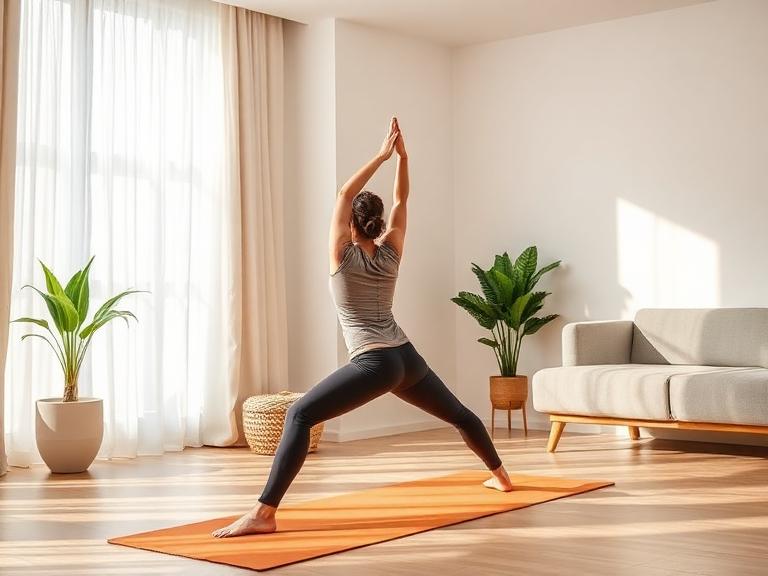
The rapid expansion of certified yoga training centers in Chennai is driven by an increasing societal emphasis on preventative health, specific urban environmental pressures, and the deep cultural heritage of the region. As a fast-growing coastal metropolis, the city presents distinct lifestyle shifts that elevate the importance of formal yogic training.
- Reversing Professional Burnout: As a major global corporate and information technology center, Chennai has seen a rise in sedentary habits and long working hours. Professionals use structured yoga training as a functional tool to correct bad posture, expand lung capacity, and decompress the mind.
- Climatic Compatibility: The tropical, humid weather conditions of the city make high-intensity enclosed fitness routines exhausting for some. The controlled, breath-synchronized pacing taught at traditional centers offers an excellent alternative that strengthens the cardiovascular system without causing heat exhaustion.
- Legacy of Traditional Wellness: Chennai is historically recognized for hosting some of the country’s pioneering academies dedicated to yoga research and therapeutic education. This cultural grounding provides a reliable framework of trust, ensuring local programs focus on scientific, safe movement rather than temporary fitness fads.
Types of Yoga Classes Available in Chennai
The city’s educational landscape offers multiple specialized formats designed to accommodate different daily schedules, accessibility requirements, and personal learning styles.
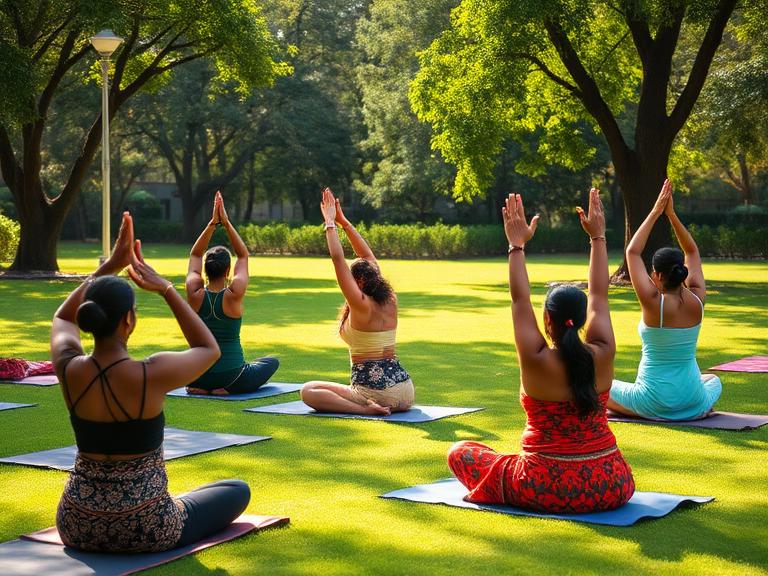
- Outdoor Yoga: Conducted in natural, open-air setups such as beach zones, public parks, or private green lawns during early morning hours. This layout prioritizes fresh air, direct sunlight exposure, and spacious movement areas.
- Studio-Based Yoga: Conventional brick-and-mortar institutes equipped with specialized flooring, props, wall bars, and mirrors to assist with precise alignment and hands-on guidance from certified teachers.
- Online Yoga Classes: Live, interactive digital modules designed for individuals who travel frequently or work variable hours, allowing them to follow a structured syllabus from home.
- Yoga for Women: Tailored educational programs focusing on specific endocrine and physiological transitions, including prenatal preparation, postpartum rehabilitation, and core restoration.
- Beginner-Friendly Programs: Slower-paced foundational paths focused heavily on standard anatomy, joint mobility loops, and introductory breathing techniques to ensure safety for newcomers.
What to Look for in a Good Yoga Class or Institute
When looking for a reputable yoga training center to deepen your knowledge or gain professional credentials, evaluating specific structural factors will guarantee a high-quality education.
Certified Faculty Credentials
The teaching staff must hold verifiable degrees or certifications from recognized universities, traditional lineages, or international accreditation bodies. Experienced educators understand how to break down complex anatomy and prevent injuries during practice.
Well-Designed Curriculum
A logical training syllabus should avoid random routines. A properly designed 60-to-90-minute training module must follow a progressive arc: joint mobilization, dynamic warm-ups (such as sun salutations), static posture holds, deep breathwork (pranayama), and structured physiological relaxation.
Focus on Individual Modifications
A reliable institute rejects rigid, identical movement requirements for all students. Instructors should actively assess each individual’s physical limitations, past orthopedic injuries, or joint issues, providing clear modifications with props like blocks or straps.
Balanced Class Sizes
Overcrowded rooms hinder proper tracking of individual student forms. Opt for training facilities that maintain a reasonable student-to-teacher ratio, ensuring that you receive regular feedback and direct postural support throughout the course.
Who Benefits Most From Yoga Classes
Because structural training can be adapted to various levels of intensity, it serves as an effective wellness solution across different life stages and professions.
| Target Group | Primary Wellness Requirement | Core Curricular Focus |
| Corporate Workers | Relieving spinal pressure and high occupational stress | Thoracic mobility, posture balancing, and breath awareness |
| Aspiring Teachers | Acquiring precise anatomical knowledge and instruction skills | Breakdown of postures, teaching mechanics, and safety rules |
| Seniors & Elders | Preserving independent balance and joint flexibility | Low-impact mobility work, coordination drills, and stability |
| Fitness Enthusiasts | Balancing muscle tight spots and increasing core stamina | Active physical sequences and functional flexibility training |
When Online or Outdoor Yoga Makes Sense
The decision to choose a virtual space or an open-air venue depends largely on your lifestyle constraints, logistical ease, and personal preferences.
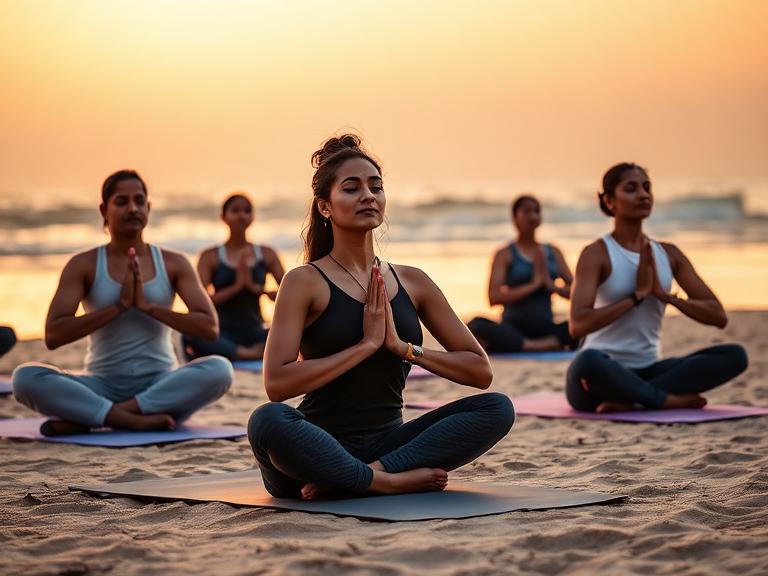
Open-air settings are ideal for city residents who spend long hours inside enclosed, air-conditioned offices under fluorescent lighting. Training outdoors provides early morning vitamin D synthesis, expands oxygen intake, and creates a refreshing connection to the natural environment. For example, yoga classes in Chennai conducted by Outdoor Yoga Chennai combine the distinct wellness advantages of open-air morning routines with clear, expertly structured guidance.
Alternatively, virtual training platforms work well for those dealing with unpredictable work shifts or long commutes through dense metropolitan traffic. Live interactive online training removes travel friction entirely, allowing you to follow a consistent, structured development track from home while still receiving real-time posture corrections from a qualified teacher.
FAQs
What certifications should I check for at a yoga training center in Chennai?
Look for centers whose teachers hold university degrees in yogic science or certifications from recognized national boards, traditional research foundations, or global educational alliances.
How long does a standard beginner-to-intermediate training course last?
Foundational courses typically run from 4 to 6 weeks with multiple weekly sessions, while comprehensive professional instructor courses generally require 200 to 300 hours of study over several months.
Can a complete beginner join a structured yoga training center?
Yes, most training centers provide dedicated introductory tracks that assume no prior experience, starting with basic alignment, joint health, and simple breathing patterns.
Are outdoor yoga training programs available during the rainy season?
During periods of heavy monsoon rainfall, most outdoor programs smoothly transition to indoor spaces or interactive online setups to maintain consistency.
What is the primary difference between a regular fitness class and a training center?
Regular fitness classes focus on general physical exertion and calorie burning, whereas training centers offer an in-depth study of alignment principles, breath control, and underlying physical anatomy.
Do training centers provide educational materials or reference books?
Yes, established training institutes usually supply students with comprehensive manuals detailing posture breakdowns, safety precautions, and breathing techniques for home practice.
Is there an age limit to enroll in a formal yoga training program?
There is no upper age limit. As long as you have general physical clearance from a doctor, programs can be adapted to accommodate adults, seniors, and youth safely.
Why do some centers emphasize using props like blocks and straps?
Props are utilized to maintain correct spinal alignment and safety, allowing individuals with limited flexibility to experience the benefits of a pose without straining muscles.
Can yoga training help with chronic lifestyle-related stress?
Yes. Training programs teach specific, slow-paced breathing methods that help calm the nervous system, lower resting heart rates, and reduce stress levels.
Can I teach professionally immediately after finishing a 200-hour course?
Yes, a certified 200-hour training course is the standard industry benchmark required to start teaching foundational classes at wellness spaces, corporate offices, or private studios.