
Table of Contents
General Surgeon in Hyderabad: Cost, Top Doctors & Surgical Hospitals
Consulting a qualified General Surgeon in Hyderabad is an important step when managing conditions requiring surgical intervention—whether for elective daycare keyhole operations or emergency abdominal procedures. Contrary to the word “general,” a General Surgeon is a specialized medical doctor who undergoes years of postgraduate surgical training to diagnose, treat, and operate on conditions affecting the digestive tract, abdominal organs, abdominal wall, thyroid gland, breast tissue, skin, soft tissues, and acute traumatic injuries.
Hyderabad is recognized as an international healthcare hub, hosting accredited multi-specialty hospitals and surgical centers. Across key medical areas—such as Jubilee Hills, Banjara Hills, HITECH City, Gachibowli, Secunderabad, Begumpet, and Kukatpally—surgical departments are equipped with 4K Ultra-HD laparoscopic towers, harmonic scalpel energy tools, intra-operative ultrasound, and dedicated 24/7 surgical intensive care units (ICUs).
This comprehensive medical guide covers specialist qualifications, core surgical procedures, comparative cost benchmarks, minimal access technologies, safety protocols, and post-operative recovery guidelines to help you make informed decisions about your surgical care.

1. Qualifications & Scope of a General Surgeon
A General Surgeon holds a Master’s Degree in General Surgery (MS / DNB General Surgery) following completion of an MBBS degree. Modern general surgeons in Hyderabad frequently complete sub-specialty fellowships in Minimal Access Surgery (FMAS, FIAGES), advanced laparoscopic surgery, or colorectal proctology.
Specialist Qualification & Clinical Domain Model

                        POSTGRADUATE GENERAL SURGEON
                         (MBBS + MS / DNB Surgery)
                                     │
 ┌───────────────────┬───────────────┴───────────────┬───────────────────┐
 ▼                   ▼                               ▼                   ▼
Visceral & GI       Hernia Wall Repair               Anorectal Care      Endocrine & Soft Tissue
 • Cholecystectomy   • Inguinal Mesh Repair          • Laser Piles (LHP)  • Thyroidectomy
 • Appendectomy      • Umbilical / Incisional        • Fissure (LIS)     • Lipomas & Cysts
 • Bowel Surgery     • Complex Wall Reconstruction   • Fistula (FiLaC)   • Diabetic Foot Care
General surgeons manage a wide spectrum of visceral diseases, structural muscle wall defects, and soft-tissue infections. They also lead emergency trauma teams, providing rapid surgical care for acute abdominal conditions.
2. Core Spectrum of Procedures Performed by General Surgeons in Hyderabad
General surgeons in Hyderabad manage both elective daycare operations and urgent inpatient procedures:
A. Abdominal Wall Hernia Repairs (Inguinal, Umbilical, Incisional)
An abdominal hernia occurs when intra-abdominal fat or bowel loops push through a weak spot in the surrounding muscle wall. General surgeons perform open and keyhole laparoscopic mesh repairs (TEP, TAPP, IPOM) to reinforce the weakened muscle, relieve pain, and prevent bowel strangulation.
- Inguinal Hernia: Groin bulges caused by wall weakness or chronic straining.
- Umbilical / Para-Umbilical Hernia: Swellings around the belly button.
- Incisional Hernia: Bulges developing along the scar site of a previous open abdominal incision.
B. Hepatobiliary & Digestive Tract Surgery
Gallstones (cholelithiasis), acute gallbladder infection (cholecystitis), acute appendicitis, peptic ulcer perforations, and bowel obstructions are core conditions managed by general surgeons. Most routine gallbladder and appendix removals are performed using keyhole laparoscopic techniques.
C. Advanced Laser & Conventional Proctology (Anorectal Disorders)
General surgeons evaluate and treat painful anorectal conditions using both conventional surgery and modern laser procedures:
- Piles / Hemorrhoids: Treated via laser hemorrhoidoplasty (LHP) or staple hemorrhoidopexy.
- Anal Fissure: Managed through topical ointments, Botox injections, or Lateral Internal Sphincterotomy (LIS).
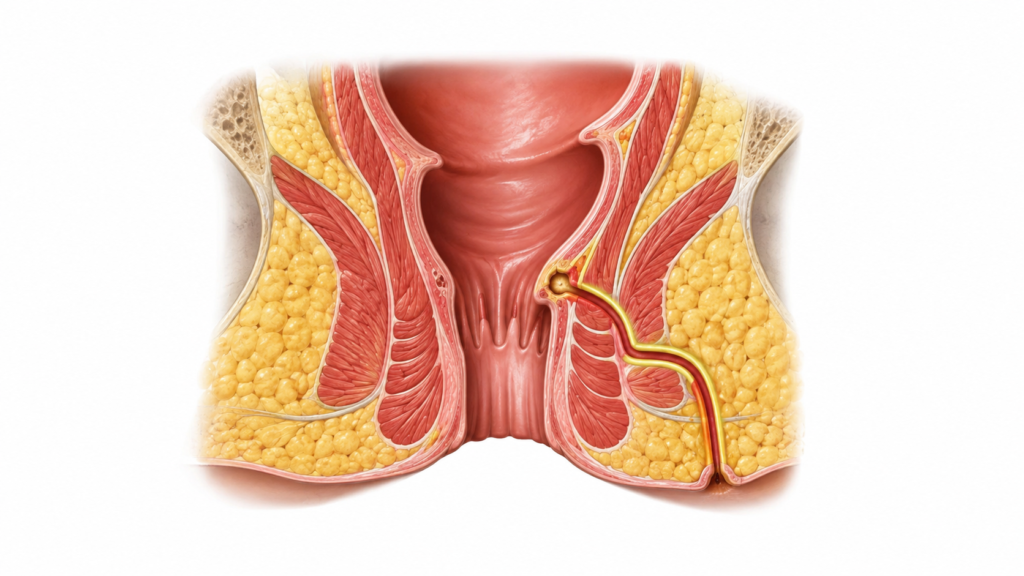
- Anal Fistula: Resolved using Laser Fistula Closure (FiLaC), VAAFT, or LIFT procedures.
- Pilonidal Sinus: Treated using EPSiT or laser tract ablation.
D. Endocrine & Breast Surgery
- Thyroid & Parathyroid Surgery: Open or endoscopic removal of multinodular goiters, thyroid nodules, or parathyroid tumors.
- Breast Care: Evaluation of benign breast lumps, fibroadenomas, gynecomastia, abscesses, and diagnostic biopsies.
E. Soft Tissue, Skin & Diabetic Foot Care
General surgeons perform surgical excisions of superficial swellings (lipomas, sebaceous cysts, dermoid cysts) and manage severe soft-tissue infections. They play a critical role in treating diabetic foot ulcers, performing surgical debridement, deep abscess drainage, and local tissue revisions to prevent limb amputation.
F. 24/7 Emergency & Acute Trauma Interventions
General surgeons lead emergency casualty teams in major hospitals, performing life-saving emergency surgeries for blunt abdominal trauma (spleen/liver injuries), perforated ulcers, and strangulated hernias.
3. Comprehensive Cost Breakdown: General Surgery Procedures in Hyderabad
Pricing for general surgical procedures in Hyderabad varies depending on whether the operation is a minor daycare procedure, an elective keyhole surgery, or a complex emergency open operation.
2026 Price Index for General Surgery Services in Hyderabad
| Surgical Procedure / Clinical Service | Daycare / Minor Cost (INR) | Semi-Private Package (INR) | Private / Corporate Hospital (INR) | Care Setting & Hospital Stay |
| Senior Surgeon OPD Consultation | ₹600 – ₹800 | ₹800 – ₹1,000 | ₹1,000 – ₹1,500 | Outpatient Visit (30 mins) |
| Minor Excision (Lipoma / Sebaceous Cyst) | ₹15,000 – ₹25,000 | ₹25,000 – ₹35,000 | ₹40,000 – ₹60,000 | Daycare Procedure (2 to 4 hrs) |
| Laparoscopic Appendectomy | ₹38,000 – ₹50,000 | ₹55,000 – ₹70,000 | ₹75,000 – ₹1,20,000 | Daycare to 1 Day Stay |
| Laparoscopic Cholecystectomy (Gallbladder) | ₹40,000 – ₹55,000 | ₹60,000 – ₹80,000 | ₹85,000 – ₹1,50,000 | 1 to 2 Days Stay |
| Inguinal Hernia Mesh Repair (Unilateral) | ₹45,000 – ₹60,000 | ₹65,000 – ₹85,000 | ₹90,000 – ₹1,40,000 | 1 to 2 Days Stay |
| Umbilical / Incisional Hernia Mesh Repair | ₹50,000 – ₹70,000 | ₹75,000 – ₹95,000 | ₹1,00,000 – ₹1,60,000 | 1 to 2 Days Stay |
| Total / Subtotal Open Thyroidectomy | ₹55,000 – ₹75,000 | ₹80,000 – ₹1,10,000 | ₹1,20,000 – ₹1,80,000 | 2 to 3 Days Stay |
| Diabetic Foot Debridement & Abscess Care | ₹20,000 – ₹35,000 | ₹40,000 – ₹60,000 | ₹70,000 – ₹1,10,000 | Daycare to 3 Days Stay |
| Emergency Laparotomy (Bowel Perforation) | ₹80,000 – ₹1,10,000 | ₹1,20,000 – ₹1,60,000 | ₹1,80,000 – ₹2,80,000+ | 4 to 7 Days Stay (ICU included) |
4. Comparing Surgical Techniques: Open vs. Laparoscopic vs. Laser Surgery
Modern general surgery offers multiple procedural options based on clinical indications:
| Parameter | Conventional Open Surgery | Laparoscopic (Keyhole) Surgery | Advanced Laser Surgery |
| Primary Indication | Complex tumors, emergency trauma, dense adhesions | Gallbladder, hernia, appendix, bowel resections | Piles, anal fissure, fistula, pilonidal sinus |
| Incision Size | Single large cut (5 to 18 cm) | 3 to 4 tiny ports (0.5 to 1 cm) | Stitchless needle port / probe access |
| Tissue Disruption | Moderate to High | Low to Minimal | Extremely Minimal |
| Post-Operative Pain | Moderate to High | Low to Mild | Minimal to Zero |
| Hospital Stay | 2 to 5 Days | Daycare to 48 Hours | Same-Day Discharge (6 Hours) |
| Recovery Time | 3 to 6 Weeks | 5 to 7 Days | 24 to 48 Hours |
| Infection Risk | Standard wound risk | Very low wound infection risk | Near-zero infection risk |
| Average Cost (INR) | ₹30,000 – ₹1,50,000 | ₹40,000 – ₹1,60,000 | ₹35,000 – ₹90,000 |
5. Primary Factors Shaping General Surgery Costs in Hyderabad
Surgical costs across Hyderabad depend on several clinical and institutional factors:
Key Price Drivers for General Surgery in Hyderabad

1. Surgical Consumables & Implants
 ├── Synthetic or composite meshes for hernia repair, tackers, and endo-staplers
 └── Advanced energy tools (Harmonic scalpel, LigaSure, radial laser probes)

2. Hospital Accreditation & Location
 ├── Tier-1 Corporate Tertiary Care (Jubilee Hills / Banjara Hills / HITECH City)
 └── Mid-tier regional multi-specialty centers (Begumpet / Kukatpally / Secunderabad)

3. Anesthesia & Operating Theater (OT) Duration
 ├── Procedure complexity, length of OT usage, and anesthesia protocol
 └── Post-op ICU requirement for high-risk cardiac or diabetic patients

4. Surgeon Experience & Credentials
 ├── Senior Board-Certified General Surgeons (MS / DNB) with 15+ years experience
 └── Associated fellowship credentials in laparoscopic or colorectal surgery
Insurance Approval & Cashless TPA Services
- Health Insurance Coverage: Medically necessary general surgical operations—including emergency appendectomy, hernia repair, gallbladder surgery, abscess care, and open trauma procedures—are standard covered benefits under health insurance policies, corporate group insurance, and TPA desks across empaneled hospitals.
- Daycare Claim Processing: Modern keyhole procedures qualify for daycare cashless claims, enabling full reimbursement with same-day discharge.
- Government Schemes: Empaneled hospitals support welfare schemes including Aarogyasri, CGHS, and ESI.
6. What to Expect During Your Surgical Journey
Undergoing a general surgical procedure follows a structured, step-by-step care process:
1.1. Specialist Consultation & Clinical Diagnosis:Clinical exam and diagnostic workup.
Your surgeon conducts a physical examination, reviews your symptoms, and orders imaging tests (ultrasound, CT scan, X-ray) alongside blood panels to confirm the diagnosis and plan your procedure.
2.2. Pre-Anesthesia Checkup (PAC):Anesthetic clearance and pre-op prep.
An anesthesiologist evaluates your fitness for General or Regional Anesthesia, reviewing heart, lung, and blood parameters. Fasting instructions (typically 6 to 8 hours prior) are provided.
3.3. Surgical Operation in OT:Precision operative execution.
In a sterile operating theater, the surgical team executes the planned procedure—whether open, laparoscopic, or laser—under full monitoring. Operations range from 30 minutes to 3 hours depending on complexity.
4.4. PACU Recovery & Early Mobilization:PACU monitoring and early walking.
After waking up in the post-anesthesia care unit (PACU), you are moved to your room. Early walking is encouraged within 6 to 12 hours to promote venous blood flow and gut motility.
5.5. Hospital Discharge & Post-Op Recovery:Wound care, diet steps, and follow-up.
Discharge is approved once oral intake is established. You receive instructions on wound dressing care, prescribed antibiotics, pain management, high-fiber nutrition, and a scheduled follow-up visit.
7. Post-Operative Wound Care, Diet Guidelines, and Danger Signs
Following proper post-operative instructions supports smooth tissue healing and prevents wound complications:
Surgical Wound Care
- Keep Dressings Clean and Dry: Protect your surgical site from moisture during the first 48 to 72 hours. Change dressings according to your surgeon’s instructions or visit the outpatient dressing clinic.
- Monitor for Infection Signs: Check daily for redness, increasing swelling, localized warmth, severe pain, or pus discharge around incision sites.
Post-Operative Dietary Progression
- Hydration: Drink 2.5 to 3.5 liters of fluids daily (water, coconut water, clear broths) to support cellular repair and clear residual post-anesthesia sluggishness.
- High-Protein & High-Fiber Diet: Eat soft, easily digestible foods rich in protein (eggs, paneer, lentils, fish) and soluble fiber (oats, cooked vegetables, fruits) to keep stools soft and avoid abdominal straining.
When to Contact Your Surgeon Immediately
Seek urgent medical advice if you experience any of the following warning signs:
- High fever (> 101°F) accompanied by chills or rigors.
- Sudden severe abdominal pain or distension not relieved by prescribed pain medication.
- Persistent nausea or repeated vomiting preventing fluid intake.
- Spreading redness, swelling, or foul-smelling discharge from surgical wounds.
- Sudden shortness of breath, chest tightness, or calf muscle swelling.
Frequently Asked Questions (15 Clinical & Practical FAQs)
What is the average consultation fee for a General Surgeon in Hyderabad?
Consultation fees for senior general surgeons in Hyderabad typically range from ₹600 to ₹1,200 per visit across premier multi-specialty hospitals in Jubilee Hills, Banjara Hills, HITECH City, Secunderabad, and Gachibowli.
How much does general surgery cost in Hyderabad?
Procedural costs range from ₹20,000 for minor daycare excisions (lipomas, cysts) to ₹40,000–₹90,000 for routine laparoscopic daycare operations (gallbladder removal, appendectomy, hernia mesh repair). Complex open bowel surgery or emergency trauma repairs range from ₹1,20,000 to ₹2,50,000+ depending on ICU requirements.
What is the difference between a General Surgeon and a Surgical Gastroenterologist?
A General Surgeon (MS General Surgery) handles wide-ranging surgical conditions across the abdomen, soft tissues, thyroid, and acute trauma. A Surgical Gastroenterologist (MCh / DrNB Surgical Gastro) undergoes 3 additional years of super-specialty training focused exclusively on complex digestive tract operations, liver/pancreatic resections, and GI cancers.
Do general surgeons in Hyderabad perform keyhole laparoscopic procedures?
Yes. Most senior general surgeons in Hyderabad hold fellowships in Minimal Access Surgery (FMAS, FIAGES) and routinely perform keyhole laparoscopic operations for gallbladder removal, appendectomy, hernia repair, and diagnostic laparoscopy.
How long is the hospital stay required after general surgery?
Minor soft-tissue procedures and simple keyhole operations (such as laparoscopic appendectomy or simple hernia repair) are managed as daycare or 24-hour stay procedures. Major open abdominal, thyroid, or bowel surgery typically requires 3 to 5 days of inpatient hospital care.
Are general surgical operations covered under health insurance?
Yes. Medically required general surgical operations—including emergency appendectomy, gallbladder removal, hernia mesh repair, abscess drainage, and bowel obstruction surgery—are standard covered benefits under private health insurance policies, corporate group insurance, and TPA desks across empaneled hospitals.
What diagnostic tests are performed before general surgery?
Pre-operative testing includes complete blood counts (CBC), blood glucose, liver and kidney function tests, coagulation profile (PT/INR), viral markers, chest X-ray, ECG, and abdominal ultrasound or CT imaging to plan the operation and ensure anesthesia safety.
How soon can I walk and return to work after general surgery?
Patients resuming light office work following laparoscopic general procedures typically return within 3 to 7 days. Open abdominal procedures require 2 to 4 weeks of recovery. Walking around the bed is encouraged within 6 to 12 hours post-op to promote venous circulation.
What is an abdominal hernia, and why does a general surgeon need to operate?
A hernia occurs when internal fat or bowel loops push through a defect in the surrounding abdominal muscle wall. Surgery is required because hernias do not heal spontaneously and carry a risk of incarceration or strangulation (cutting off blood supply to the intestine).
How does a general surgeon treat a diabetic foot infection?
General surgeons perform surgical debridement (removal of dead tissue), deep abscess drainage, advanced wound dressings, and tissue revisions alongside antibiotic therapy and blood sugar control to heal diabetic foot ulcers and prevent major limb amputation.
What is the difference between open and laparoscopic thyroid surgery?
Open thyroidectomy uses a horizontal incision along the lower neck fold to remove part or all of the thyroid gland. Minimally invasive or transoral endoscopic thyroidectomy accesses the gland through hidden incisions inside the lower lip or armpit, leaving no visible neck scars.
What post-operative wound care instructions should I follow at home?
Keep surgical dressings dry and intact for the first 48 to 72 hours, follow prescribed bathing guidelines, take oral antibiotics and pain relievers on schedule, monitor for signs of infection (increasing redness, swelling, warmth, or purulent discharge), and attend scheduled dressing changes.
Are general surgeons available for emergency operations at night in Hyderabad?
Yes. Tertiary hospitals in Hyderabad operate 24/7 emergency trauma centers staffed by resident and consultant general surgeons available around the clock to perform emergency operations for ruptured appendices, perforated ulcers, strangulated hernias, and severe abdominal trauma.
How do I choose the best General Surgeon in Hyderabad?
Look for board-certified general surgeons (MS / DNB General Surgery) with 10–15+ years of clinical experience and additional fellowships in minimal access surgery (FMAS, FIAGES). Choose specialists practicing at accredited hospitals with modern 4K laparoscopic suites, 24/7 ICUs, and transparent package pricing.