

Table of Contents
Best Fistula Surgeon in Hyderabad | Top Laser Proctologist
Consulting an experienced Fistula Surgeon in Hyderabad is the most crucial decision a patient can make when dealing with persistent anorectal conditions. An anal fistula (Fistula-in-Ano) is an infected tunnel that forms between the inside of the anal canal and the skin surrounding the anus. Because this area is constantly exposed to stool and bacteria, natural healing rarely occurs without precise surgical intervention.
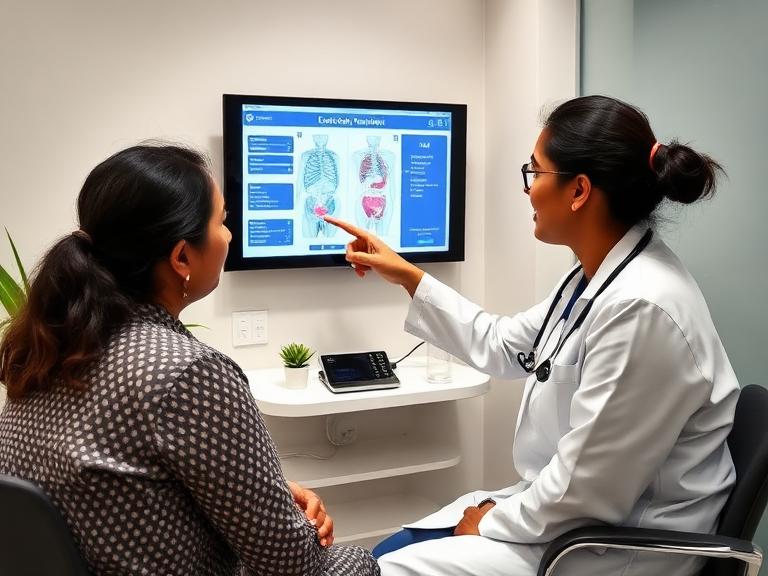
Personalized Surgical Consultation with a Proctology Specialist. Source: lakshmiprasad S / Getty Images
Hyderabad has emerged as a major center for advanced proctology and colorectal surgery. Patients no longer have to undergo invasive open traditional surgery that required extensive cutting of tissue, long hospital stays, and painful wound dressing changes. Modern colorectal specialists in Hyderabad utilize advanced, sphincter-preserving laser and endoscopic techniques to ensure complete healing with minimal discomfort.

What Defines an Expert Fistula Surgeon?
Treating anal fistulas requires specialized anatomical knowledge and microsurgical precision. The anal canal is surrounded by delicate internal and external sphincter muscles responsible for bowel control. An expert fistula surgeon in Hyderabad possesses deep training in pelvic floor anatomy, enabling them to eradicate infected tracts without compromising continaence.
Essential Qualifications and Surgical Experience
- Specialized Degrees & Fellowships: Advanced qualifications such as MS in General Surgery, along with specialized fellowships in Colorectal Surgery (FACS, FRCS), Minimal Access Surgery (FIAGES, FALS), or dedicated Proctology training. Apollo 247
- High Clinical Volume: Sub-specialization focused specifically on anorectal conditions, having successfully treated hundreds of simple, complex, and recurrent fistula cases.
- Mastery over Laser Technology: Direct expertise operating 1470nm diode lasers for Fistula-Tract Laser Closure (FiLaC) and video-assisted fistuloscopes (VAAFT).
- Diagnostic Precision: Proficiency in reading 3D Pelvic MRI Fistulograms and conducting Endoanal Ultrasound (EAUS) to trace secondary tracks and internal openings accurately.
When Should You Consult a Specialized Fistula Surgeon?
Many patients mistake anal fistula symptoms for simple hemorrhoids or minor skin infections, leading to delayed treatment. You should schedule a consultation with a colorectal surgeon if you notice:
- Persistent Localized Discharge: Chronic drainage of pus, blood, or watery mucus from a tiny opening around the perianal skin.
- Recurrent Perianal Abscesses: Periodic painful swellings near the anus that burst, drain, temporarily soothe, and then reform.
- Deep Pelvic Pain: Throbbing pain that worsens when sitting, walking, or during bowel movements.
- Foul Odor & Skin Irritation: Continuous skin inflammation, redness, and itching caused by constant fluid leakage.
- Previous Failed Surgery: Recurrence of symptoms following a past traditional fistulotomy or drainage procedure.
Surgical Techniques Used by Top Specialists in Hyderabad
Modern proctologists select procedures based on the exact path of the fistula tract and its relationship to the sphincter muscles.
1. FiLaC (Fistula-Tract Laser Closure)
FiLaC is a minimally invasive, sphincter-preserving technique. The surgeon inserts a flexible, 360° radial laser probe into the external opening. As the probe is slowly withdrawn, controlled thermal energy destroys the infected tract lining and seals the tunnel from within.
- Key Advantage: Zero cutting of anal sphincter muscles, minimal post-operative pain, and rapid recovery within days.
2. LIFT (Ligation of Intersphincteric Fistula Tract)
The LIFT procedure is designed for transsphincteric fistulas that pass through the main muscle layers. The surgeon makes a small incision in the natural groove between the inner and outer sphincter muscles, locates the fistula tract, ties it off at both ends, and cuts it.
- Key Advantage: Isolates and closes the internal opening without cutting any part of the sphincter muscle.
3. VAAFT (Video-Assisted Anal Fistula Treatment)
VAAFT utilizes a specialized micro-endoscope inserted directly into the fistula tract. The surgeon views the inside of the tunnel on a high-definition monitor to locate hidden side branches or secondary cavities. The tract is cleaned under direct vision, electro-cauterized, and the internal opening is closed with sutures or stapling.
- Key Advantage: Superior visualization for complex, branching, or recurrent fistulas.
4. Cutting & Loose Seton Placement
For high complex fistulas involving significant muscle mass, a specialist may place a Seton (a surgical thread) through the tract. A loose Seton promotes continuous drainage and reduces inflammation, while a cutting Seton slowly cuts through the tract over several weeks, allowing scar tissue to form behind it to preserve muscle continuity.
Comprehensive Comparison of Surgical Techniques
| Feature / Metric | Laser FiLaC Therapy | LIFT Procedure | VAAFT Technique | Traditional Open Surgery |
|---|---|---|---|---|
| Primary Indication | Low to moderate transsphincteric | Deep transsphincteric tracts | Complex / Branching tracts | Very low intersphincteric |
| Sphincter Muscle Impact | None (Preserved) | None (Preserved) | None (Preserved) | Muscle tissue is cut |
| Incision Size | Micro-entry point | Small skin crease incision | Micro-entry point | Large open wound |
| Post-Op Pain | Mild | Mild to moderate | Mild | High to severe |
| Recovery Time | 2 to 4 days | 5 to 7 days | 3 to 5 days | 3 to 6 weeks |
| Daily Dressing Requirement | None | Minimal | None | Painful daily packing |
Step-by-Step Patient Care Pathway
1. Comprehensive Clinical Evaluation
Anoscopy and 3D MRI Fistulogram mapping
1.1. Comprehensive Clinical Evaluation:Anoscopy and 3D MRI Fistulogram mapping.
The surgeon conducts a physical exam, digital rectal evaluation, and orders a 3D Pelvic MRI Fistulogram to map all primary and secondary tracts.
2. Custom Treatment Planning
Selecting sphincter-preserving options
2.2. Custom Treatment Planning:Selecting sphincter-preserving options.
Based on tract depth and complexity, the surgeon explains the recommended approach—such as FiLaC, LIFT, or VAAFT.
3. Day-Care Laser Procedure
Painless procedure under light anesthesia
3.3. Day-Care Laser Procedure:Painless procedure under light anesthesia.
The surgery is performed in a day-care setting within 30 to 45 minutes, allowing same-day discharge.
4
4. Structured Post-Op Care
Guided recovery and follow-ups
4.4. Structured Post-Op Care:Guided recovery and follow-ups.
The surgeon outlines a recovery protocol including warm sitz baths, high-fiber dietary guidelines, and scheduled follow-up checks.
Post-Surgical Recovery & Maintenance Advice
Adhering to post-operative instructions ensures optimal healing and minimizes complications:
- Warm Sitz Baths: Soak the area in warm water for 10–15 minutes twice daily and after every bowel movement to reduce inflammation and keep the area clean.
- Fiber-Rich Diet: Eat plenty of whole grains, fresh vegetables, legumes, and fruits to maintain soft stools and prevent straining during bowel movements.
- Adequate Hydration: Drink at least 3 liters of water daily to support healthy digestion.
- Avoid Prolonged Sitting: Take frequent short walks to improve local circulation and reduce pelvic pressure during early recovery.
Frequently Asked Questions (FAQs)
1. How do I choose the best fistula surgeon in Hyderabad?
Look for a board-certified colorectal surgeon or proctologist with extensive training in sphincter-preserving laser techniques (FiLaC, VAAFT, LIFT) and high patient volume.
2. What qualifications should a top fistula surgeon hold?
A specialized surgeon typically holds an MS in General Surgery along with fellowships in Proctology, Colorectal Surgery (FACS/FIAGES), or Minimal Access Surgery.
Pristyn Care
3. Can a fistula surgeon guarantee zero recurrence?
While no surgical procedure offers a 100% guarantee, experienced surgeons using 3D MRI mapping and laser technology reduce recurrence rates below 3-5%.
Pristyn Care
4. Why is sphincter preservation the top priority for a fistula surgeon?
Cutting the anal sphincter muscles causes fecal incontinence. Specialized surgeons prioritize techniques that collapse the tract while leaving sphincter muscles untouched.
5. How does a fistula surgeon diagnose complex tracts?
Surgeons use 3D Pelvic MRI Fistulograms, Endoanal Ultrasound (EAUS), and intraoperative video-assisted endoscopy (VAAFT).
6. Is laser fistula surgery suitable for all types of fistulas?
Laser surgery (FiLaC) is ideal for simple to moderately complex tracts. Highly complex or suprasphincteric cases may require combination approaches like LIFT or Seton placement.
7. How many days off work are needed after seeing a fistula surgeon for laser treatment?
Most patients return to desk work and daily light routine within 2 to 4 days post-procedure.
8. What is the difference between a general surgeon and a proctologist?
A proctologist or colorectal specialist focuses exclusively on anorectal disorders, possessing advanced expertise in complex pelvic anatomy and laser technology.
9. Does a fistula surgeon treat recurrent fistulas from previous open surgeries?
Yes, top specialists in Hyderabad frequently treat recurrent cases using high-resolution imaging and sphincter-preserving hybrid techniques.
10. Are female fistula surgeons available in Hyderabad?
Yes, Hyderabad has highly experienced female proctologists available for patients seeking specialized care.
11. What consultation steps happen during the initial surgeon visit?
The surgeon performs a clinical evaluation, physical exam, anoscopy, reviews MRI scans, and explains the customized treatment plan.
12. Can a fistula surgeon perform laser treatment as a daycare procedure?
Yes, laser proctology procedures are typically performed under short anesthesia as day-care treatments, allowing same-day discharge.
13. What post-operative support does the surgeon provide?
Surgeons provide structured follow-up visits, dietary advice, sitz bath schedules, and direct access for wound monitoring.
14. How do surgeons handle horseshoe or branching fistulas?
Complex branching fistulas are managed using staged Seton drainage combined with VAAFT or LIFT procedures to clear secondary tracts while protecting muscle.
15. How do I book a consultation with a top fistula surgeon in Hyderabad?
Consultations can be booked via hospital portals, specialized clinic helplines, or direct online scheduling.