
Table of Contents
🌍 Exporting from Dubai to Africa – Trade Routes & Cargo Insights 2025
Introduction – Dubai’s Gateway Role to Africa’s Booming Markets
In 2025, Dubai stands as the beating heart of Middle Eastern exports to Africa.
From automotive parts to electronics and construction materials, the trade connection between Dubai and Africa fuels billions of dollars in cross-border commerce every year.
With its strategic geography, cutting-edge logistics infrastructure, and world-class ports such as Jebel Ali, Dubai continues to serve as Africa’s entry point for global goods. As African economies like Nigeria, Ghana, Kenya, and South Africa surge ahead, exporters from Dubai are seizing immense opportunities.
Why Africa Is Dubai’s Fastest-Growing Export Destination
- Rising Consumption: Africa’s consumer market is expected to exceed USD 1.4 trillion by 2030.
- Infrastructure Boom: Nations such as Kenya, Ethiopia, and Ghana are investing heavily in transport, housing, and energy.
- Strategic Proximity: Dubai’s maritime advantage shortens shipping times by up to 40 % compared with Asian ports.
- Currency Flexibility: UAE’s dirham stability enables smoother transactions with African partners.
- Free-Trade Connectivity: The AfCFTA (African Continental Free Trade Area) boosts intra-African imports—many of which transit through Dubai.
Top African Destinations for Dubai Exports in 2025
| Country | Top Imports from Dubai | Transit Time (avg.) |
|---|---|---|
| Ghana | Cars, home appliances, building materials | 18 – 22 days |
| Nigeria | Machinery, petroleum derivatives, electronics | 15 – 20 days |
| Kenya | Textiles, cosmetics, packaging materials | 12 – 16 days |
| South Africa | Metals, furniture, tires, chemicals | 20 – 25 days |
| Tanzania | Tools, lubricants, solar equipment | 18 – 23 days |
Dubai’s logistics ecosystem ensures consolidated shipments, smart port handling, and end-to-end tracking to these destinations.
Major Trade Routes Connecting Dubai and Africa
- Red Sea Corridor (via Jeddah & Port Sudan):
Fast access to East Africa—Kenya, Tanzania, and Ethiopia. - West Africa Route (via Lagos & Tema):
Key for exports to Ghana, Nigeria, and Côte d’Ivoire. - Southern Africa Route (via Durban):
Handles high-value freight to South Africa and Mozambique. - Suez Canal Transit:
Connects Dubai to the Mediterranean side of Africa, including Egypt and Morocco.
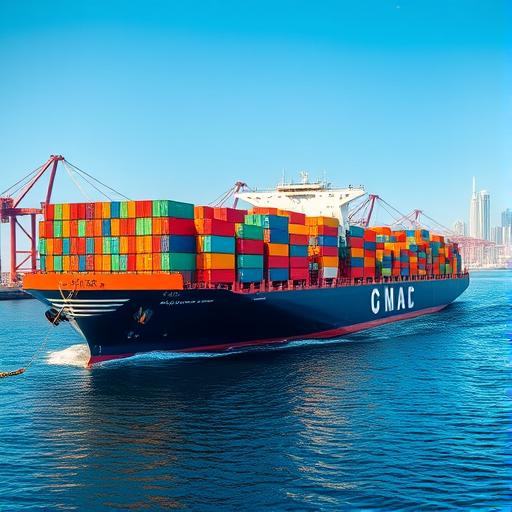
With advanced scheduling and real-time vessel monitoring, shipping from Dubai to Africa has never been more predictable or efficient.
Export Process from Dubai to Africa – Step by Step
1. Market Identification & Documentation
Businesses start by selecting target countries and preparing:
- Commercial invoice
- Certificate of origin
- Export declaration (via Dubai Trade portal)
- Packing list & Bill of Lading
2. Customs Clearance in Dubai
Dubai Customs’ AI-based clearance system ensures approval within hours for compliant exporters.
3. Freight Forwarding & Port Handling
Cargo is consolidated at Jebel Ali Port, Mina Rashid, or Hamriyah Port, depending on destination and size.
4. Sea or Air Shipment
- Sea freight: Cost-efficient, ideal for bulk commodities.
- Air freight: Faster, best for perishables or urgent goods.
5. Clearance & Distribution in Africa
Upon arrival, local logistics partners manage customs, warehousing, and last-mile delivery.
Top Exported Goods from Dubai to Africa
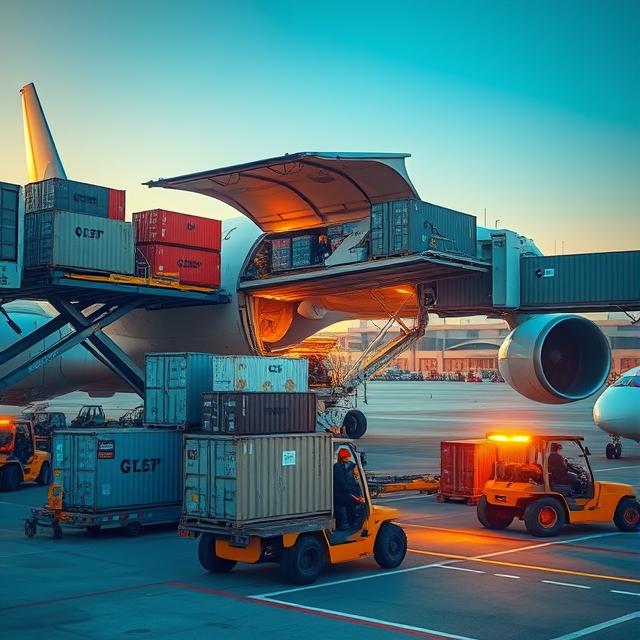
- Automobiles & Spare Parts – Used car exports from Dubai to Ghana and Nigeria remain top revenue drivers.
- Machinery & Industrial Equipment – Vital for Africa’s infrastructure projects.
- Construction Materials – Cement, steel, tiles, and pipes are in constant demand.
- Electronics & Appliances – TVs, refrigerators, and mobile phones dominate container space.
- Petroleum Products – Lubricants, diesel additives, and bitumen form a large trade share.
- Consumer Goods – Apparel, beauty products, and FMCG items see steady growth.
Export Logistics Costs from Dubai to Africa
Export costs depend on cargo weight, destination, and container size:
| Route | Container Type | Average Cost (USD) |
|---|---|---|
| Dubai → Lagos | 20 ft FCL | 1 100 – 1 400 |
| Dubai → Tema | 40 ft FCL | 1 800 – 2 100 |
| Dubai → Mombasa | 20 ft FCL | 950 – 1 300 |
| Dubai → Durban | 40 ft FCL | 2 000 – 2 500 |
Shipping rates fluctuate based on fuel surcharges, port handling fees, and seasonal demand.
Benefits of Exporting from Dubai to Africa
- Tax Incentives & Free Zones: JAFZA & Ducamz allow duty-free exports and simplified documentation.
- Strategic Location: Central to Asia-Africa-Europe trade triangle.
- Strong Bilateral Relations: The UAE maintains trade agreements with over 30 African nations.
- Advanced Logistics Infrastructure: Smart ports, blockchain tracking, and efficient customs.
- Ease of Doing Business: Transparent regulatory frameworks support exporters.
Challenges and Solutions
| Challenge | Strategic Solution |
|---|---|
| Unstable African currencies | Use USD-denominated contracts |
| Port delays | Select alternative entry ports or consolidate loads |
| Customs barriers | Partner with local brokers for compliance |
| Infrastructure gaps | Choose hybrid sea-air routes for inland markets |
2025 Trends Shaping Dubai–Africa Export Growth
- Digital Trade Documentation: Blockchain-based e-certificates accelerating clearance.
- Green Shipping: Shift toward low-emission vessels and carbon-neutral logistics.
- E-Commerce Expansion: African online retailers sourcing directly from Dubai.
- Integrated Multimodal Logistics: Sea-air combinations cutting delivery time by 30 %.
- Government Support: UAE – Africa Trade Bridge initiatives fostering partnerships.
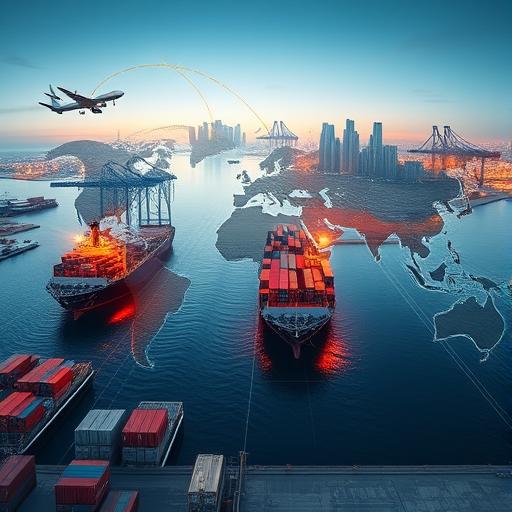
Selecting the Right Export Partner
An effective export partner should offer:
- Multi-country African network coverage
- Transparent cost structure
- Door-to-door logistics capability
- Compliance and documentation support
- Dedicated customer tracking portals
Trusted logistics companies in Dubai have built reputation on reliability and compliance—connecting exporters with global markets.
Conclusion – Strengthening the Dubai–Africa Trade Bridge
In 2025, Dubai’s exports to Africa are redefining the global supply chain landscape.
From smart shipping systems to multimodal connectivity, the UAE remains the launchpad for Africa’s growth story.
As trade corridors deepen and logistics infrastructure expands, exporters leveraging Dubai’s ecosystem will continue to reach Africa faster, safer, and smarter. To know More about Exporting from Dubai to Africa please Subscribe to our newsletter.