Table of Contents
Hydraulic Lift Installation Hyderabad | Expert Hydraulic Elevator Solutions
Hydraulic lifts have become one of the most dependable and versatile vertical transportation solutions for residential, commercial, industrial, and institutional buildings. Known for their smooth operation, high lifting capacity, and space-efficient design, hydraulic elevators are widely used in villas, apartment buildings, hospitals, warehouses, shopping centres, factories, and office complexes throughout Hyderabad.
Unlike traction elevators that rely on ropes and counterweights, hydraulic lifts use hydraulic fluid pressure to move the elevator cabin. This design offers excellent ride comfort, reliable lifting performance, and reduced structural requirements, making hydraulic elevators particularly suitable for low-rise and medium-rise buildings.
Professional Hydraulic Lift Installation Hyderabad involves much more than simply placing a lift inside a building. Every project requires engineering design, structural evaluation, hydraulic system selection, electrical planning, safety compliance, precision installation, testing, commissioning, and long-term maintenance support. Proper installation ensures that the lift operates efficiently while providing safe transportation for passengers and goods.
Modern hydraulic lift technology has evolved significantly over the years. Today’s systems incorporate energy-efficient motors, intelligent controllers, automatic rescue devices, advanced safety mechanisms, and environmentally friendly hydraulic fluids. These innovations improve operational efficiency while reducing maintenance requirements and extending equipment lifespan.
This comprehensive guide explains everything property owners, builders, architects, and facility managers need to know about hydraulic lift installation in Hyderabad, including lift types, working principles, installation procedures, safety features, applications, maintenance practices, and the advantages of choosing professional installation services.
What Is a Hydraulic Lift?
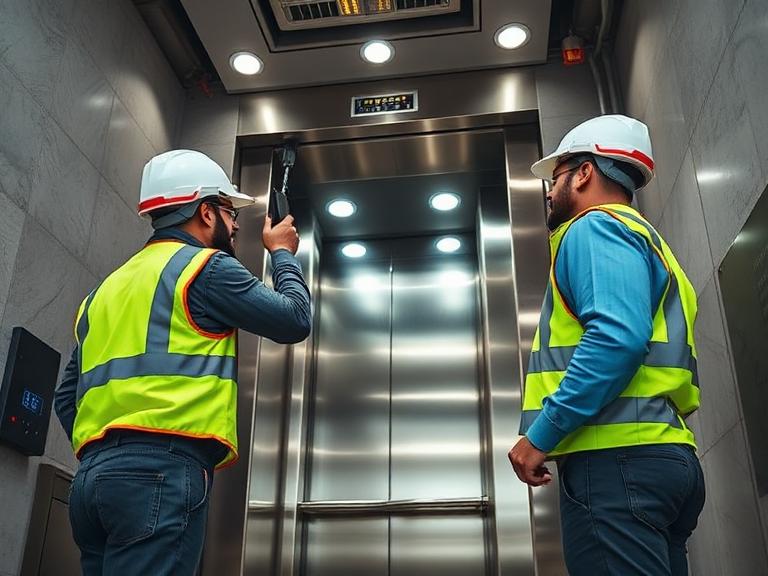
A hydraulic lift is an elevator that moves using hydraulic pressure rather than steel ropes and counterweights.
The system consists of:
- Hydraulic cylinder
- Hydraulic piston
- Hydraulic power unit
- Electric motor
- Hydraulic oil reservoir
- Pump assembly
- Controller
- Elevator cabin
- Guide rails
- Safety devices
When hydraulic fluid is pumped into the cylinder, pressure pushes the piston upward, lifting the elevator cabin. During descent, controlled release of the hydraulic fluid allows the cabin to move downward smoothly.
Why Hydraulic Lifts Are Popular in Hyderabad
Hydraulic elevators continue to gain popularity because they offer flexibility, reliability, and cost-effective installation for many building types.
Hydraulic lifts are commonly selected for:
- Residential villas
- Apartment buildings
- Commercial offices
- Retail stores
- Hospitals
- Educational institutions
- Hotels
- Warehouses
- Industrial facilities
- Government buildings
Their ability to handle heavy loads with smooth movement makes them a practical solution for diverse applications.
Advantages of Hydraulic Lift Installation
Smooth Ride Quality
Hydraulic lifts provide controlled acceleration and deceleration, reducing vibration and improving passenger comfort.
Benefits include:
- Quiet operation
- Minimal cabin vibration
- Comfortable travel
- Stable stopping
High Load Capacity
Hydraulic elevators are capable of transporting:
- Multiple passengers
- Heavy equipment
- Medical devices
- Warehouse materials
- Industrial goods
Their lifting capability makes them suitable for demanding environments.
Compact Installation
Hydraulic lifts generally require less overhead space than some traditional traction systems.
Advantages include:
- Flexible building integration
- Reduced structural modifications
- Simplified installation
- Better utilization of available space
Lower Initial Installation Cost
For many low-rise buildings, hydraulic elevators may offer a cost-effective installation solution due to simpler structural requirements.
Reliable Performance
Hydraulic systems are known for:
- Consistent lifting
- Stable operation
- Long service life
- Proven reliability
Proper maintenance further enhances their longevity.
Types of Hydraulic Lifts
Different hydraulic lift configurations are available to meet varying building requirements.
Direct Hydraulic Lift
In a direct hydraulic system, the piston is attached directly beneath the elevator cabin.
Advantages:
- Simple design
- Reliable operation
- Smooth lifting
- Suitable for low-rise buildings
Indirect Hydraulic Lift
Indirect systems use ropes or chains connected to the piston.
Benefits include:
- Greater travel height
- Flexible installation
- Improved adaptability
Holeless Hydraulic Lift
Holeless elevators eliminate the need for deep underground cylinders.
Advantages:
- Easier installation
- Reduced excavation
- Lower environmental impact
- Ideal for existing buildings
Telescopic Hydraulic Lift
Multiple-stage hydraulic cylinders enable longer travel distances.
Applications include:
- Mid-rise residential buildings
- Commercial properties
- Specialized industrial installations

Working Principle of a Hydraulic Lift
Hydraulic elevators operate using Pascal’s Principle, where pressure applied to a confined fluid is transmitted equally in all directions.
The operating cycle includes:
- User selects a floor.
- Controller activates the electric motor.
- Hydraulic pump pushes oil into the cylinder.
- Pressure raises the piston.
- The elevator cabin moves upward.
- At the selected floor, the controller stops the motor.
- During descent, hydraulic valves release oil back into the reservoir.
- The cabin lowers smoothly under controlled conditions.
This simple yet effective mechanism contributes to the reliability of hydraulic elevator systems.
Main Components of a Hydraulic Lift
Hydraulic Power Unit
The power unit includes:
- Electric motor
- Hydraulic pump
- Oil reservoir
- Control valves
It generates the hydraulic pressure required for elevator movement.
Hydraulic Cylinder
The cylinder houses the piston that raises and lowers the elevator.
Precision manufacturing ensures smooth and reliable operation.
Hydraulic Piston
The piston converts hydraulic pressure into mechanical lifting force.
Elevator Cabin
The cabin is designed for passenger comfort and safety.
Modern cabins may include:
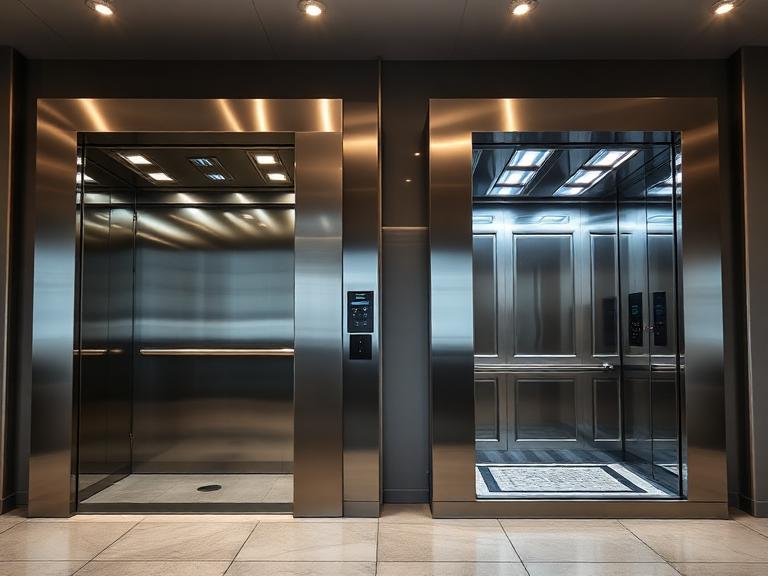
- Stainless steel interiors
- Glass panels
- LED lighting
- Handrails
- Digital displays
- Emergency communication systems
Controller
The controller coordinates:
- Floor selection
- Door operation
- Motor control
- Safety systems
- Emergency functions
Guide Rails
Guide rails ensure stable vertical movement and minimize vibration.
Door System
Automatic or semi-automatic doors provide safe passenger entry and exit.
Safety Features of Hydraulic Lifts
Modern hydraulic elevators incorporate multiple safety systems.
Common features include:
- Automatic Rescue Device (ARD)
- Emergency alarm
- Battery backup
- Door obstruction sensors
- Emergency stop button
- Overspeed protection
- Pressure relief valve
- Rupture valve
- Overload protection
- Electromagnetic door locking
- Fire-resistant wiring
- Emergency lighting
These systems improve passenger protection during both normal and emergency operation.
Applications of Hydraulic Lifts
Hydraulic elevators serve a wide variety of buildings.
Residential Buildings
Used in:
- Villas
- Duplex homes
- Independent houses
- Luxury residences
Commercial Buildings
Installed in:
- Office complexes
- Retail outlets
- Shopping malls
- Business centres
Hospitals
Hydraulic lifts support:
- Patient transportation
- Medical equipment movement
- Wheelchair accessibility
Hotels
Hotels benefit from:
- Guest transportation
- Service elevators
- Luggage movement
Industrial Facilities
Industrial hydraulic lifts transport:
- Raw materials
- Machinery
- Production equipment
- Heavy loads
Warehouses
Warehouse lifts improve material handling efficiency while reducing manual effort.
Why Professional Hydraulic Lift Installation Hyderabad Matters
Professional installation offers numerous advantages.
Benefits include:
- Detailed site evaluation
- Structural compatibility assessment
- Customized lift design
- High-quality components
- Accurate hydraulic system installation
- Electrical integration
- Safety compliance
- Comprehensive testing
- Long-term maintenance support
- Improved operational reliability
Working with experienced professionals helps ensure that the hydraulic lift performs safely and efficiently throughout its service life.
Step-by-Step Hydraulic Lift Installation Process
Installing a hydraulic lift requires careful engineering, precise measurements, and compliance with safety standards. Every stage contributes to reliable operation and long-term durability.
1. Site Inspection and Feasibility Study
The first stage is a detailed survey of the building.
Engineers evaluate:
- Building layout
- Number of floors
- Travel height
- Available shaft space
- Structural strength
- Headroom
- Pit depth
- Electrical supply
- Accessibility requirements
- Expected passenger or load capacity
The survey determines the most suitable hydraulic lift configuration.
2. Lift Design and Planning
Based on the survey, engineers prepare installation drawings and technical specifications.
Planning includes:
- Lift dimensions
- Cabin size
- Door configuration
- Hydraulic cylinder placement
- Machine room location (if applicable)
- Electrical layout
- Safety equipment integration
Proper planning minimizes installation delays and ensures compatibility with the building.
3. Civil and Structural Preparation
Before installation begins, civil work is completed.
This may include:
- Lift shaft construction
- Pit preparation
- Machine room preparation
- Structural reinforcements
- Landing openings
- Waterproofing
- Ventilation
Accurate civil work is essential for smooth installation.
4. Guide Rail Installation
Guide rails are installed using laser alignment equipment.
Correct alignment provides:
- Smooth travel
- Reduced vibration
- Lower component wear
- Improved ride comfort
5. Hydraulic Cylinder Installation
The hydraulic cylinder is positioned according to the lift design.
Installation includes:
- Cylinder alignment
- Mounting
- Sealing
- Pressure testing
- Connection to the hydraulic system
Proper installation prevents leaks and ensures efficient operation.
6. Hydraulic Power Unit Installation
The hydraulic power unit contains:
- Electric motor
- Hydraulic pump
- Oil reservoir
- Pressure control valves
- Safety valves
The power unit is connected to the hydraulic cylinder using high-pressure hydraulic pipes.
7. Elevator Cabin Installation
Technicians assemble and install the cabin.
Installation includes:
- Cabin frame
- Wall panels
- Ceiling
- Flooring
- Lighting
- Operating panel
- Handrails
- Emergency communication system
Cabin finishes can be customized to match residential or commercial interiors.
8. Door Installation
Landing and cabin doors are installed and adjusted.
Modern hydraulic lifts commonly feature:
- Automatic sliding doors
- Centre-opening doors
- Side-opening doors
- Glass doors
- Fire-rated doors (where required)
Door sensors improve passenger safety by preventing accidental closure.
9. Electrical Wiring and Controller Installation
Electrical engineers connect:
- Main power supply
- Controller
- Safety circuits
- Landing call buttons
- Cabin operating panel
- Door sensors
- Emergency alarm
- ARD system
- Display indicators
Proper wiring ensures safe and reliable operation.
10. System Testing and Commissioning
Before handover, technicians perform extensive testing.
Tests include:
- No-load operation
- Full-load testing
- Hydraulic pressure testing
- Brake testing
- Emergency stop verification
- Door operation testing
- Floor leveling accuracy
- ARD testing
- Safety circuit verification
- Multiple travel cycles
The lift is commissioned only after all tests meet operational and safety requirements.
Structural Requirements
Hydraulic lift installation requires careful structural planning.
Important considerations include:
- Strong foundation
- Proper shaft dimensions
- Required pit depth
- Adequate headroom
- Machine room (for conventional hydraulic systems)
- Ventilation
- Drainage
- Fire protection measures
Professional structural evaluation helps ensure safe operation.
Electrical Requirements
Hydraulic lifts require a stable electrical supply.
Typical requirements include:
- Dedicated power circuit
- Proper grounding
- Main isolator switch
- Circuit breakers
- Voltage protection
- Emergency lighting
- Battery backup
- Automatic Rescue Device (ARD)
- Control panel wiring
Electrical work should always comply with applicable safety regulations.
Modern Technologies in Hydraulic Lifts
Variable Frequency Drive (VFD)
Modern hydraulic lifts use VFD technology to improve motor control.
Benefits include:
- Smooth acceleration
- Gentle stopping
- Reduced energy consumption
- Lower mechanical wear
Automatic Rescue Device (ARD)
ARD automatically moves the cabin to the nearest floor during power outages.
Advantages:
- Passenger safety
- Quick evacuation
- Reduced downtime
Intelligent Microprocessor Controllers
Modern controllers provide:
- Faster response
- Self-diagnostics
- Fault history
- Energy optimization
- Improved reliability
IoT Remote Monitoring
Some hydraulic lifts support cloud-based monitoring.
Remote monitoring enables:
- Predictive maintenance
- Real-time fault alerts
- Performance tracking
- Faster service response
LED Cabin Lighting
LED lighting offers:
- Lower power consumption
- Longer lifespan
- Improved cabin aesthetics
Energy-Efficient Hydraulic Systems
Modern hydraulic pumps and eco-friendly hydraulic oils improve:
- Energy efficiency
- Environmental sustainability
- Equipment lifespan
Preventive Maintenance
Routine maintenance helps maximize reliability and minimize unexpected failures.
Monthly Inspection
Technicians inspect:
- Hydraulic oil level
- Cylinder
- Pump
- Cabin
- Doors
- Indicators
- Emergency systems
Hydraulic Oil Inspection
Oil quality is checked for:
- Contamination
- Moisture
- Temperature
- Viscosity
Clean hydraulic oil improves system performance.
Mechanical Inspection
Maintenance includes inspection of:
- Guide rails
- Rollers
- Hydraulic cylinder
- Valves
- Door mechanisms
- Cabin structure
Electrical Inspection
Technicians verify:
- Controller
- Wiring
- Safety circuits
- Door sensors
- Battery backup
- ARD system
Safety Testing
Routine testing includes:
- Brake operation
- Emergency stop
- Alarm
- Overload protection
- Pressure relief valve
- Door locking system
Annual Preventive Maintenance
Comprehensive annual servicing includes:
- Hydraulic system calibration
- Pressure testing
- Software updates
- Safety inspection
- Component replacement (if required)
Common Mistakes to Avoid
Avoiding these issues improves lift reliability.
Choosing an Incorrect Lift Capacity
Selecting the wrong capacity may reduce operational efficiency and future usability.
Ignoring Structural Requirements
Improper shaft dimensions or weak structural support can create installation challenges.
Using Low-Quality Hydraulic Components
Premium-quality cylinders, pumps, and valves improve reliability and reduce maintenance costs.
Skipping Preventive Maintenance
Routine servicing helps identify minor issues before they become costly repairs.
Delaying Hydraulic Oil Replacement
Old or contaminated oil reduces efficiency and accelerates wear.
Hiring Inexperienced Installers
Hydraulic lift installation should always be carried out by trained professionals using manufacturer-approved procedures.
Why Choose Professional Hydraulic Lift Installation in Hyderabad?
Experienced installation teams provide:
- Site-specific engineering
- Customized lift solutions
- Certified technicians
- Quality components
- Precision installation
- Advanced safety features
- Comprehensive testing
- Long-term AMC support
- Emergency repair services
- Technical assistance
Professional installation ensures dependable operation, passenger safety, and maximum equipment lifespan.
Frequently Asked Questions
1. What is the maximum height for a hydraulic lift?
Hydraulic lifts are generally best suited for low-rise and medium-rise buildings, though the exact travel height depends on the lift design and manufacturer specifications.
2. Are hydraulic lifts suitable for homes?
Yes. Hydraulic lifts are widely installed in villas, duplex homes, and independent houses because they offer smooth operation and excellent ride comfort.
3. Do hydraulic lifts require a machine room?
Traditional hydraulic lifts often require a machine room, while some modern compact systems are available in machine-room-less configurations.
4. How often should hydraulic lifts be serviced?
Routine preventive maintenance should be performed according to the manufacturer’s recommendations, with more frequent inspections for high-usage installations.
5. Are hydraulic lifts energy efficient?
Modern hydraulic lifts incorporate efficient motors, optimized hydraulic systems, and intelligent controllers that reduce energy consumption compared with older models.
6. How long does hydraulic lift installation take?
The installation timeline depends on the project size, civil readiness, customization, and site conditions, but generally includes planning, equipment installation, testing, and commissioning.
Conclusion
Hydraulic lifts continue to be one of the most practical and reliable vertical transportation solutions for residential, commercial, and industrial buildings. Their smooth ride quality, strong lifting capability, flexible installation options, and dependable performance make them well suited for a wide variety of applications across Hyderabad.
Professional Hydraulic Lift Installation Hyderabad combines engineering expertise, quality equipment, precise installation, and rigorous safety testing to deliver a long-lasting elevator solution. By investing in expert installation and scheduled preventive maintenance, property owners can ensure safe operation, improved accessibility, reduced downtime, and dependable performance for many years.